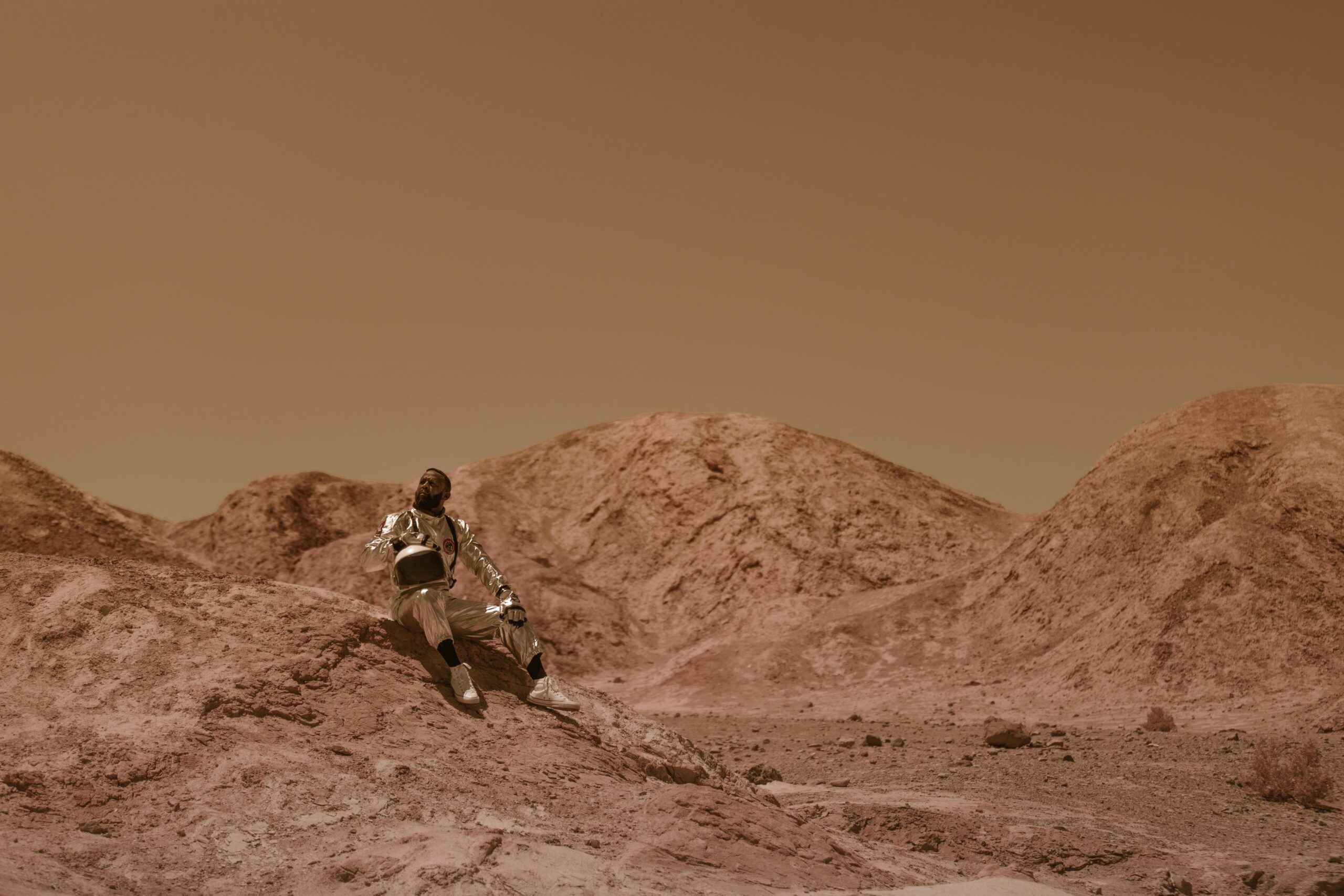
The quest to discover life beyond Earth has captivated humanity for centuries, but today we stand at the threshold of unprecedented scientific breakthroughs that could finally answer this profound question.

Astrobiology, the interdisciplinary science exploring life’s existence throughout the universe, has entered a transformative era. Armed with revolutionary technologies, sophisticated detection methods, and an expanding understanding of life’s resilience, scientists are closer than ever to identifying biosignatures—the telltale signs of living organisms—on distant worlds. From Mars rovers analyzing soil samples to space telescopes examining exoplanet atmospheres, the search for extraterrestrial life has evolved from speculation to systematic scientific investigation.
🔬 The Evolution of Astrobiology: From Theory to Discovery
Astrobiology has matured dramatically over the past two decades, transforming from a speculative field into a rigorous scientific discipline. This evolution reflects our growing recognition that life may be far more widespread in the universe than previously imagined. The discovery of extremophiles—organisms thriving in Earth’s harshest environments—has fundamentally challenged our assumptions about where life can exist.
These remarkable organisms survive in boiling hot springs, frozen Antarctic lakes, deep ocean trenches, and even inside nuclear reactors. Their existence demonstrates that life requires far less hospitable conditions than scientists once believed, dramatically expanding the potential habitable zones throughout our solar system and beyond.
Modern astrobiology integrates knowledge from astronomy, biology, chemistry, geology, and planetary science. This interdisciplinary approach enables researchers to construct comprehensive models of how life might arise and persist under conditions vastly different from those on Earth. The field now operates with sophisticated frameworks for identifying potential biosignatures and distinguishing them from abiotic processes that might mimic life’s signatures.
Revolutionary Technologies Transforming Biomarker Detection
The technological arsenal available to astrobiologists today would have seemed like science fiction just decades ago. Advanced spectroscopy techniques now allow scientists to analyze the chemical composition of planetary atmospheres from millions of kilometers away, searching for gas combinations that might indicate biological activity.
Next-Generation Space Telescopes
The James Webb Space Telescope represents a quantum leap in our ability to study exoplanet atmospheres. Its infrared capabilities can detect molecular signatures including water vapor, methane, carbon dioxide, and oxygen—gases that, in certain combinations, strongly suggest biological processes. Unlike previous instruments, JWST can analyze the atmospheres of rocky planets orbiting in their stars’ habitable zones, where liquid water might exist on planetary surfaces.
Future missions like the Nancy Grace Roman Space Telescope and the proposed LUVOIR (Large UV/Optical/IR Surveyor) will build upon these capabilities, offering even greater sensitivity and resolution. These instruments will enable detailed atmospheric characterization of Earth-sized planets, potentially revealing biosignature gases produced by photosynthesis or metabolic processes.
Robotic Explorers and Sample Return Missions
While telescopes examine distant worlds, robotic missions explore our cosmic neighborhood with unprecedented sophistication. NASA’s Perseverance rover on Mars collects samples that may contain preserved biosignatures from billions of years ago, when the Red Planet possessed surface water and a thicker atmosphere. These samples await return to Earth through a complex multi-mission campaign planned for the early 2030s.
The European Space Agency’s upcoming missions to Jupiter’s moon Europa and Saturn’s moon Enceladus will investigate subsurface oceans that could harbor microbial life. These icy moons represent some of the most promising targets in our solar system, with geysers of water vapor erupting through their surfaces, potentially carrying biological material from hidden oceans below.
Identifying the Chemical Fingerprints of Life 🧬
Biomarker detection relies on identifying chemical signatures that indicate biological activity. However, this proves far more challenging than simply looking for familiar molecules. Scientists must distinguish between biosignatures—evidence of past or present life—and false positives produced by geological or atmospheric chemistry unrelated to biology.
Atmospheric Biosignatures
Certain gas combinations in planetary atmospheres strongly suggest biological processes. On Earth, oxygen comprises about 21% of our atmosphere primarily because photosynthetic organisms continuously replenish it. Without life, chemical reactions would rapidly deplete atmospheric oxygen. Similarly, the simultaneous presence of oxygen and methane creates a chemical disequilibrium that typically requires biological explanation, as these gases normally react to neutralize each other.
However, astrobiologists must exercise caution when interpreting atmospheric data. Oxygen can also accumulate through photolysis—the breakdown of water molecules by ultraviolet radiation—while methane can be produced by volcanic activity or chemical reactions in hydrothermal systems. The challenge lies in establishing contextual frameworks that account for planetary geology, stellar radiation, and atmospheric chemistry when evaluating potential biosignatures.
Surface and Subsurface Biomarkers
Beyond atmospheric analysis, scientists search for biosignatures in surface materials and subsurface environments. These include:
- Organic molecules: Complex carbon-based compounds, particularly those showing homochirality (molecular handedness) characteristic of biological systems
- Isotopic ratios: Biological processes often favor lighter isotopes, creating distinctive patterns in carbon, nitrogen, and sulfur isotopes
- Mineral deposits: Certain minerals form preferentially through biological activity, such as stromatolites produced by ancient microbial mats
- Morphological structures: Microscopic shapes and patterns that suggest cellular organization or colonial behavior
- Biomolecules: Lipids, proteins, or nucleic acids that serve as building blocks of known life forms
Mars: Our Best Laboratory for Ancient Life
Mars remains the primary focus for near-term astrobiology research, and for compelling reasons. Evidence overwhelmingly demonstrates that ancient Mars possessed liquid water, a thicker atmosphere, and potentially habitable conditions for hundreds of millions of years during its early history. If life arose during this epoch, traces might persist in the geological record.
Perseverance rover’s exploration of Jezero Crater—an ancient lake bed—targets precisely these preserved biosignatures. The rover’s sophisticated instrument suite includes SHERLOC (Scanning Habitable Environments with Raman & Luminescence for Organics & Chemicals), which can detect organic molecules and minerals associated with biological processes at microscopic scales.
The rover has already identified organic molecules in multiple rock samples, though determining whether these originated from biological or abiotic processes requires laboratory analysis on Earth. The planned Mars Sample Return campaign will bring these precious specimens to terrestrial laboratories equipped with instruments far too complex to send to Mars, enabling definitive analysis of their origins.
Ocean Worlds: Hidden Havens for Life 🌊
Perhaps the most exciting astrobiology targets in our solar system lie not on planetary surfaces but beneath thick ice shells. Europa, Enceladus, and potentially Titan harbor vast subsurface oceans containing more liquid water than all of Earth’s oceans combined. These hidden seas, warmed by tidal heating from their massive parent planets, could provide stable environments for life to emerge and evolve.
Europa: Jupiter’s Enigmatic Moon
Europa’s subsurface ocean likely contacts a rocky seafloor, creating conditions similar to Earth’s hydrothermal vents—environments teeming with life on our planet. NASA’s Europa Clipper mission, launching in 2024, will conduct detailed reconnaissance, analyzing the moon’s ice shell composition, measuring ocean depth, and sampling plume material ejected into space.
The mission carries instruments specifically designed to detect organic compounds and assess habitability. If Europa’s plumes contain biological material from the ocean below, the spacecraft might detect it without needing to land or drill through kilometers of ice—a significant technological advantage.
Enceladus: Saturn’s Surprising Sanctuary
Enceladus surprised scientists with dramatic geysers erupting from its south polar region, shooting water vapor, ice particles, and organic molecules hundreds of kilometers into space. The Cassini spacecraft flew through these plumes, directly sampling ocean material and detecting complex organic compounds, salts suggesting hydrothermal activity, and molecular hydrogen—a potential energy source for microbial life.
These findings make Enceladus one of the most promising astrobiology targets in the solar system. Future missions could sample plume material with more sophisticated instruments or even land near active vents to collect material for detailed analysis.
Exoplanets: Expanding the Search to Distant Stars
The discovery of thousands of exoplanets has revolutionized astrobiology by revealing the incredible diversity of planetary systems. From scorching hot Jupiters to icy super-Earths, these worlds demonstrate that planet formation produces outcomes far more varied than our solar system alone suggested.
Of particular interest are rocky planets orbiting within their stars’ habitable zones—the orbital distances where surface temperatures permit liquid water. The TRAPPIST-1 system, with seven Earth-sized planets (three in the habitable zone), exemplifies the exciting targets now available for atmospheric characterization and biosignature searches.
Challenges of Exoplanet Biosignature Detection
Detecting life on exoplanets presents formidable challenges. Even with advanced telescopes, collecting sufficient light to analyze atmospheric composition requires many hours of observation time. Rocky planets produce smaller signals than gas giants, and distinguishing genuine biosignatures from false positives demands careful consideration of stellar and planetary contexts.
Scientists are developing comprehensive models that account for different planetary scenarios, from high-oxygen worlds where non-biological processes dominate to methane-rich atmospheres produced by alternative biochemistries. This theoretical framework prepares researchers to interpret observations and avoid misidentifying abiotic phenomena as evidence of life.
🚀 Emerging Technologies and Future Missions
The next decade promises remarkable advances in astrobiology capabilities. Several groundbreaking missions and technologies will dramatically enhance our ability to detect biosignatures:
| Mission/Technology | Target | Expected Timeline | Key Capabilities |
|---|---|---|---|
| Europa Clipper | Europa (Jupiter) | Launch 2024, Arrival 2030 | Ocean characterization, plume sampling, organic detection |
| Dragonfly | Titan (Saturn) | Launch 2027, Arrival 2034 | Aerial exploration, prebiotic chemistry analysis |
| Mars Sample Return | Mars | 2030s | Laboratory analysis of potential biosignatures |
| Habitability Life Survey (HLS) | Exoplanets | 2040s (proposed) | Direct imaging, atmospheric characterization |
Artificial Intelligence and Machine Learning
AI algorithms are transforming how scientists analyze astrobiology data. Machine learning systems can identify subtle patterns in spectroscopic data that human researchers might overlook, classify planetary atmospheres based on complex chemical signatures, and even predict which targets offer the highest probability of hosting biosignatures.
These tools prove especially valuable when processing vast datasets from telescope surveys or rover instruments, enabling researchers to focus attention on the most promising signals while filtering out noise and false positives. As astrobiology generates increasingly large datasets, AI assistance becomes not merely helpful but essential.
Alternative Biochemistries: Expanding Our Definition of Life
One of astrobiology’s most profound challenges involves recognizing life that differs fundamentally from terrestrial biology. Earth life relies on carbon chemistry, liquid water as a solvent, and DNA-RNA-protein information systems. But could life elsewhere utilize different molecular foundations?
Scientists explore possibilities including silicon-based biochemistry, ammonia or methane as solvents, and entirely different information-storage molecules. Titan’s methane lakes, for instance, might host exotic life forms adapted to temperatures where water freezes solid. Such organisms would leave biosignatures dramatically different from those we typically seek.
This theoretical work prepares astrobiologists to recognize truly alien life by expanding search parameters beyond Earth-centric assumptions. It reminds us that life’s fundamental requirements—energy sources, suitable solvents, and mechanisms for storing and transmitting information—might be satisfied through unexpected chemical pathways.
The Philosophical and Practical Implications of Discovery
Discovering life beyond Earth—even simple microbial life—would rank among humanity’s most significant scientific achievements. It would answer fundamental questions about our cosmic uniqueness, provide insights into life’s origins and evolutionary potential, and potentially reveal alternative biological solutions to existence’s challenges.
Such a discovery would transform our understanding of biology from a study of life on Earth to a truly universal science. It would inform our assessment of life’s abundance in the universe and perhaps guide humanity toward greater cosmic awareness and responsibility as we venture beyond our home world.

Preparing for the Next Chapter in Cosmic Exploration 🌌
Astrobiology stands at an extraordinary threshold. Within the next two decades, missions will sample Europa’s ocean material, return Martian rocks potentially containing ancient biosignatures, and characterize dozens of exoplanet atmospheres with unprecedented detail. The possibility that one or more of these investigations will detect genuine evidence of extraterrestrial life has never been higher.
The field’s rapid advancement reflects not only technological progress but also deepening scientific understanding of life’s requirements, resilience, and detection methods. As our instruments grow more sensitive and our theoretical frameworks more sophisticated, the question shifts from “Can we find life beyond Earth?” to “When and where will we find it?”
The coming years promise revelations that could fundamentally alter humanity’s place in the cosmos. Whether we discover thriving ecosystems in Europa’s hidden ocean, ancient microbial fossils in Martian rocks, or biosignature gases in a distant exoplanet’s atmosphere, these findings will reshape our understanding of life’s cosmic prevalence and potential. The secrets of life beyond Earth await discovery, and the tools to unlock them are finally within our grasp.