The question of whether life exists beyond Earth has captivated humanity for centuries, but recent discoveries from Mars have thrust this philosophical debate into the realm of hard science. Ancient Martian microbes may hold the key to understanding our cosmic origins.

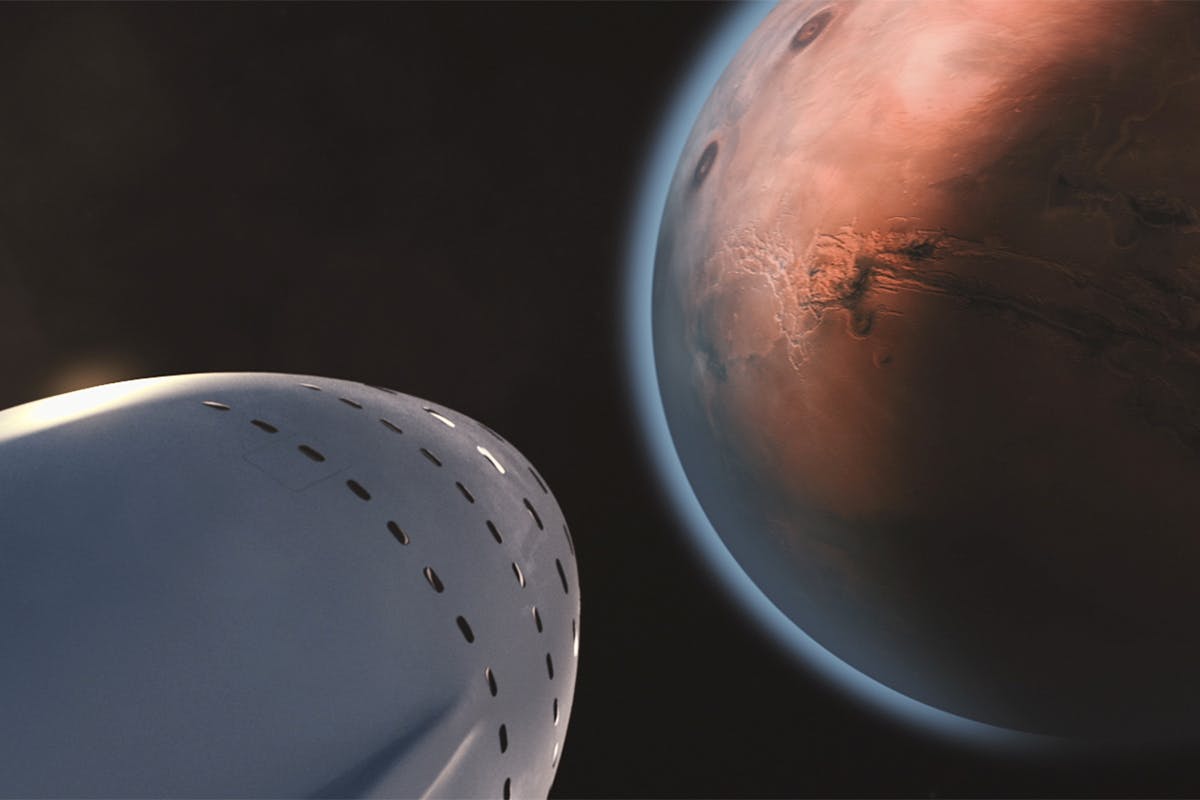
Mars, our rusty-red neighbor in the solar system, has been the subject of intense scientific scrutiny for decades. As rovers traverse its desolate landscape and orbiters map its surface from above, researchers have uncovered tantalizing evidence that the Red Planet may have once harbored microbial life. This possibility has sparked one of the most profound debates in modern science—one that could fundamentally alter our understanding of life’s place in the universe.
🔴 The Martian Landscape: A Window Into Ancient Possibilities
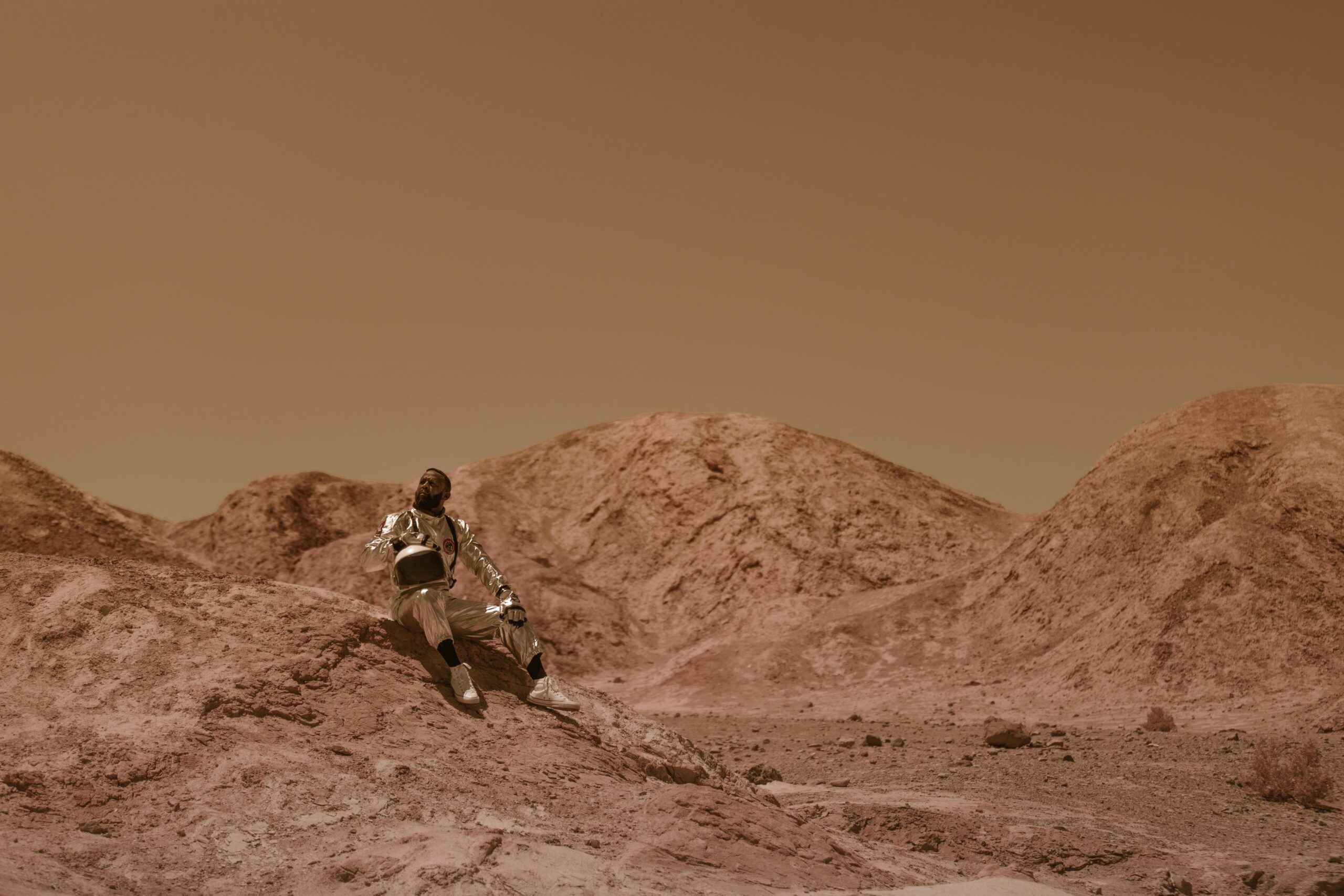
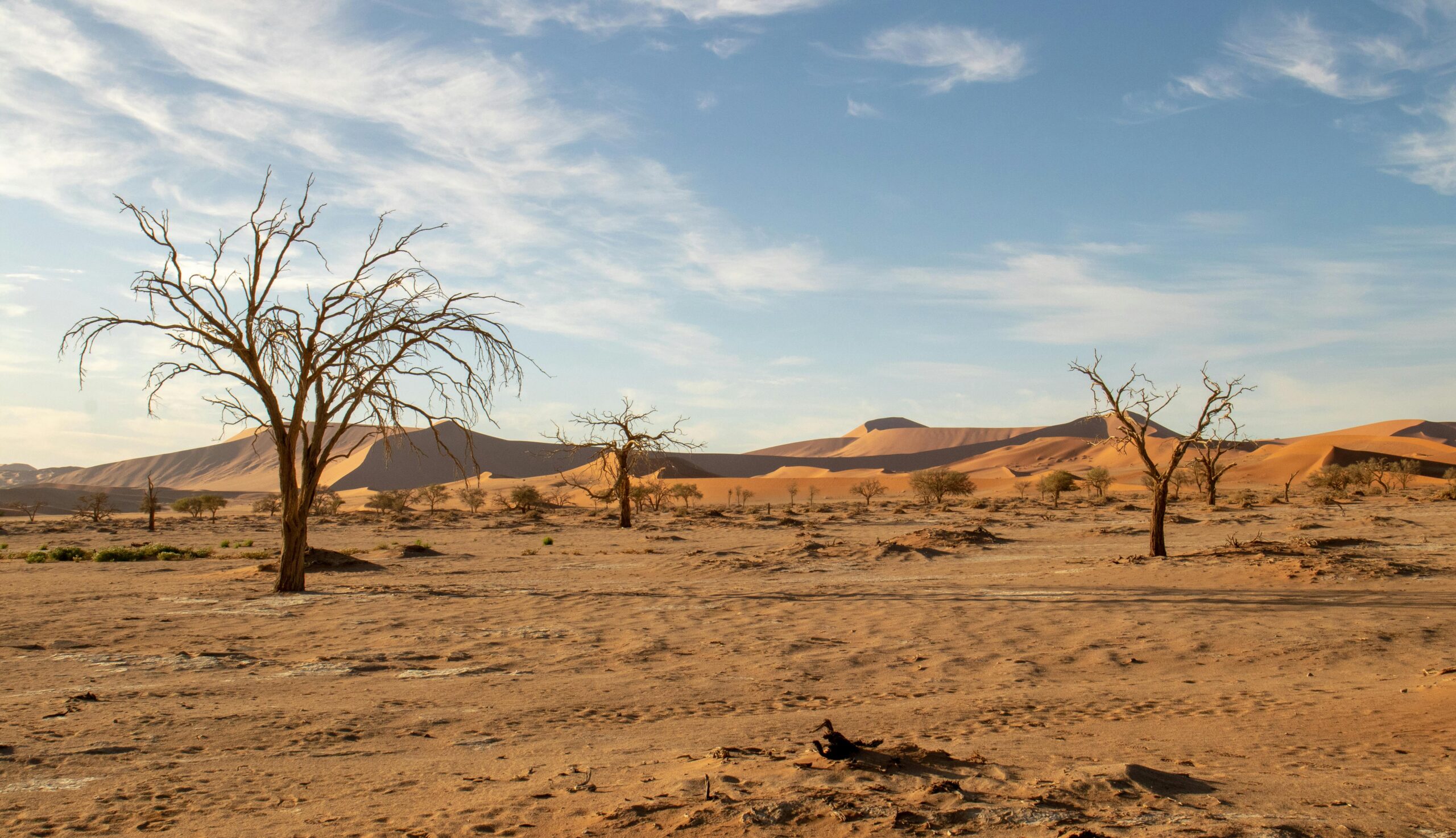
Mars today appears barren and inhospitable, with its thin atmosphere, freezing temperatures, and radiation-bombarded surface. However, geological evidence paints a dramatically different picture of the planet’s distant past. Billions of years ago, Mars likely featured flowing rivers, vast lakes, and possibly even oceans—conditions that mirror early Earth and could have supported microbial life.
The discovery of ancient riverbeds, delta formations, and mineral deposits that form only in the presence of water has revolutionized our perception of Mars. These findings suggest that approximately 3.5 to 4 billion years ago, during a period known as the Noachian era, Mars possessed a thicker atmosphere and a climate warm enough to sustain liquid water on its surface for extended periods.
This wet, warmer Mars coincided with the emergence of life on Earth. If life arose on our planet during this time, why not on Mars as well? This tantalizing possibility has driven multiple space agencies to invest billions in Martian exploration missions specifically designed to search for biosignatures—chemical or physical markers that indicate past or present life.
🔬 The ALH84001 Meteorite: Where the Modern Debate Began
The contemporary discussion about ancient Martian life exploded into public consciousness in 1996 when NASA scientists announced potential evidence of fossilized microbes within a Martian meteorite designated ALH84001. This potato-sized rock, discovered in Antarctica’s Allan Hills in 1984, had been ejected from Mars by an asteroid impact roughly 17 million years ago before eventually falling to Earth.
The research team, led by David McKay, presented four lines of evidence suggesting biological activity: polycyclic aromatic hydrocarbons (PAHs), carbonate globules, magnetite crystals, and microscopic structures resembling fossilized bacteria. The announcement generated worldwide excitement, with then-President Bill Clinton addressing the nation about the discovery’s profound implications.
However, the scientific community quickly engaged in rigorous debate. Skeptics argued that each piece of evidence could be explained through non-biological processes. PAHs are common in space, carbonate formations can occur through geological processes, and the supposed microfossils might simply be mineral artifacts. The controversy surrounding ALH84001 continues today, with scientists on both sides maintaining their positions based on evolving analytical techniques.
What Made ALH84001 Special
This particular meteorite originated from Mars approximately 4 billion years ago, forming during the planet’s potentially habitable period. Its age and composition made it an ideal candidate for preserving evidence of ancient Martian life, if such life existed. The rock’s journey through space and eventual preservation in Antarctic ice protected it from significant terrestrial contamination—a crucial factor in assessing the validity of any biosignatures.
🚀 Modern Mars Missions: The Hunt Intensifies
The debate sparked by ALH84001 catalyzed an aggressive program of Martian exploration. NASA’s twin rovers, Spirit and Opportunity, landed in 2004 and confirmed that water once flowed abundantly on Mars. The Curiosity rover, which touched down in 2012, has made even more remarkable discoveries in Gale Crater, including organic molecules and evidence of ancient lake environments that could have supported microbial life.
The most recent addition to Mars’ robotic explorers, NASA’s Perseverance rover, arrived in February 2021 with an explicit mission: to search for signs of ancient microbial life. Landing in Jezero Crater, a site that once contained a deep lake and river delta, Perseverance carries the most sophisticated suite of scientific instruments ever sent to another planet.
Perseverance’s groundbreaking capability includes collecting and caching rock samples that will eventually be returned to Earth through an ambitious multi-mission campaign. These samples will allow scientists to conduct analyses impossible with rover-based instruments, potentially settling the debate about ancient Martian life once and for all.
The European Contribution: ExoMars
The European Space Agency’s ExoMars program represents another crucial component in the search for Martian biosignatures. The Rosalind Franklin rover, scheduled for a future launch, will drill up to two meters below the surface—far deeper than any previous mission. This capability is critical because Mars’ surface is constantly sterilized by intense ultraviolet radiation, meaning any preserved organic materials would likely exist in subsurface environments.
🧬 Defining Life: The Fundamental Challenge
One of the most significant hurdles in the search for ancient Martian microbes involves a deceptively simple question: What exactly constitutes life? On Earth, we define life by certain characteristics—metabolism, reproduction, response to stimuli, and evolution through natural selection. However, these Earth-centric definitions may not encompass all possible forms life could take in alien environments.
Scientists have identified several potential biosignatures that might indicate past Martian life. These include specific organic molecules, particular mineral deposits, isotopic ratios in rock formations, and microscopic structures resembling cells or fossils. The challenge lies in distinguishing these biological signatures from similar patterns created by non-biological processes—a field known as abiotic synthesis.
The debate extends beyond simple detection to philosophical territory. If we discover evidence of life that arose independently on Mars, it would suggest that life emerges readily when conditions permit—a concept called convergent abiogenesis. This discovery would profoundly impact the Drake Equation, which estimates the number of communicative civilizations in our galaxy, suggesting life might be common throughout the universe.
🌡️ Methane Mystery: A Contemporary Puzzle
Adding complexity to the Martian life debate, both orbital spacecraft and surface rovers have detected mysterious methane plumes in Mars’ atmosphere. On Earth, approximately 90% of atmospheric methane is produced by biological processes—primarily through bacterial metabolism. The detection of methane on Mars therefore raises intriguing possibilities about contemporary microbial life.
However, methane can also be produced through geological processes such as serpentinization, where water reacts with iron-rich rocks. The Martian methane shows puzzling seasonal variations and appears in localized plumes rather than being evenly distributed, behaviors that complicate interpretation. Some measurements by the Curiosity rover contradict orbital observations, adding further mystery to this cosmic puzzle.
The methane question represents one of the most active areas of current Mars research. If biological processes are producing this gas, it would indicate that Mars harbors living microorganisms today, not just fossilized remnants of ancient life. Such a discovery would be even more revolutionary than finding ancient biosignatures.
💡 The Panspermia Hypothesis: A Cosmic Connection
The potential discovery of life on Mars raises another fascinating question: Did life originate independently on both planets, or could there be a genetic connection between Martian and Terran organisms? The panspermia hypothesis suggests that life might travel between planets aboard meteorites, potentially seeding multiple worlds from a single origin point.
We know that rocks are regularly exchanged between Mars and Earth through asteroid impacts powerful enough to launch material into space. If microbes can survive the violent ejection, the radiation exposure during space travel, and the fiery atmospheric entry, they could theoretically colonize a new planet. Some terrestrial bacteria have demonstrated remarkable resilience in space exposure experiments, lending credibility to this scenario.
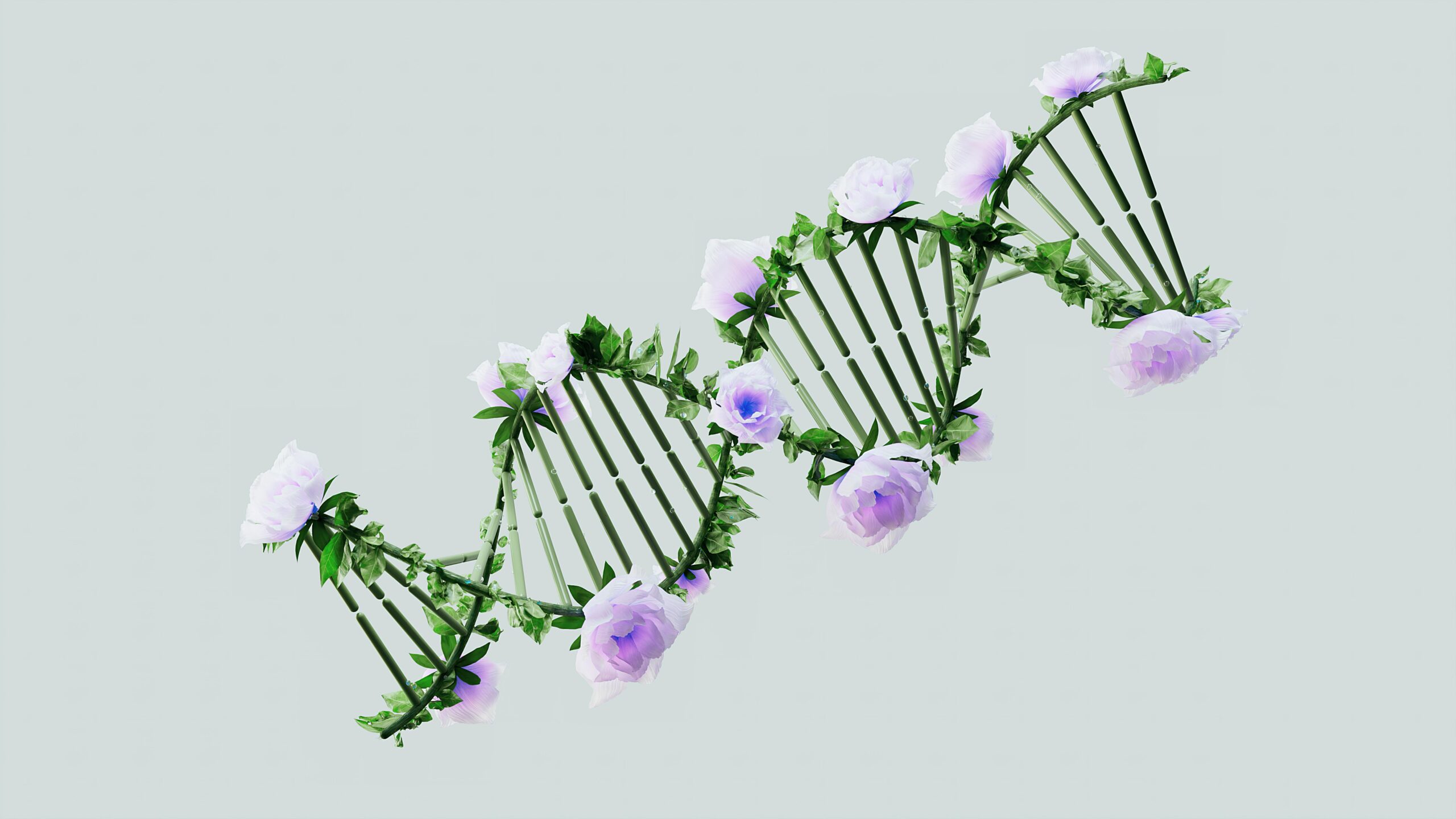
If Martian microbes share biochemical similarities with Earth life—such as using the same genetic code or having compatible metabolism—it might indicate a common origin. Conversely, finding life with fundamentally different biochemistry would prove that abiogenesis can occur through multiple pathways, dramatically increasing the likelihood of widespread life throughout the cosmos.
🎯 The Scientific Method Meets Extraordinary Claims
The famous principle articulated by Carl Sagan states that “extraordinary claims require extraordinary evidence.” This standard is rigorously applied to potential Martian biosignatures, creating a healthy tension between exciting discoveries and skeptical analysis. The scientific community’s careful approach to Martian life claims reflects lessons learned from the ALH84001 controversy and earlier false alarms.
Researchers must demonstrate that any proposed biosignature cannot be explained through known abiotic processes—a challenging burden of proof. This requirement has led to the development of increasingly sophisticated analytical techniques and the establishment of strict protocols for avoiding contamination from Earth-based organisms that might produce false positives.
The debate surrounding ancient Martian microbes exemplifies science at its best: competing hypotheses tested against evidence, with conclusions remaining tentative until overwhelming proof emerges. This methodical approach may frustrate those seeking definitive answers, but it ensures that when scientists finally confirm life beyond Earth, the evidence will be unassailable.
Cross-Contamination Concerns
A critical aspect of the debate involves planetary protection—preventing Earth microbes from contaminating Mars and vice versa. All Mars-bound spacecraft undergo extensive sterilization procedures to minimize the risk of introducing terrestrial organisms that could compromise the search for indigenous Martian life or potentially harm any existing Martian biosphere.
🌌 Implications for Life Beyond Earth
The discovery of ancient Martian microbes would represent arguably the most significant scientific finding in human history. Beyond the immediate thrill of confirming we’re not alone, such a discovery would reshape numerous scientific disciplines and philosophical frameworks. Astrobiology would transform from a largely theoretical field into an observational science with concrete specimens to study.
Finding evidence of life on Mars—our neighboring planet that’s relatively similar to Earth—would suggest that life might be common throughout the universe. If life arose independently twice in a single solar system, the cosmos likely teems with biological activity. This realization would redirect space exploration efforts toward characterizing extraterrestrial biospheres rather than simply searching for their existence.
The discovery would also inform our search for life on other potentially habitable worlds in our solar system. Jupiter’s moon Europa and Saturn’s moon Enceladus both possess subsurface oceans that might harbor life. If Mars once supported microbes, these aquatic moons become even more promising targets for biological exploration.
🔭 Looking Forward: The Next Decade of Discovery
The coming years promise unprecedented opportunities to resolve the ancient Martian microbe debate. The Mars Sample Return mission, a collaborative effort between NASA and ESA, aims to bring Perseverance’s collected samples back to Earth by the early 2030s. These pristine Martian rocks will be analyzed in state-of-the-art laboratories using techniques impossible to deploy on Mars itself.
Advanced instruments will search for complex organic molecules, examine mineral structures at the atomic level, and look for isotopic signatures characteristic of biological processes. If ancient Martian life used water differently than abiotic processes, these isotopic fingerprints might provide the smoking gun evidence that has remained elusive.
Meanwhile, continued rover operations and new missions will explore diverse Martian environments. Ancient hot spring deposits, subsurface ice deposits, and recurring slope lineae (seasonal dark streaks that might indicate flowing briny water) all represent potential habitats where microbial biosignatures might be preserved or where life might persist today.
🌍 The Human Element: Mars Exploration and Boots on the Ground
Looking further ahead, human missions to Mars could revolutionize the search for ancient life. While robotic explorers have made remarkable discoveries, humans can make rapid decisions, explore challenging terrain, and conduct complex field geology in ways no robot can match. However, human missions also dramatically increase contamination risks and raise ethical questions about potentially disturbing Martian ecosystems.
The ongoing debate about ancient Martian microbes extends beyond academic circles, capturing public imagination and inspiring new generations of scientists and explorers. This engagement represents one of the discovery’s most valuable aspects—reconnecting humanity with the wonder of exploration and our place in the cosmic story.
🧪 The Verdict Remains Open
As it stands, the question of ancient Martian microbes remains unresolved. Evidence continues accumulating that Mars once possessed conditions suitable for life, and intriguing chemical signatures hint at possible biological activity. However, the extraordinary claim of extraterrestrial life—even extinct, microscopic life—demands extraordinary proof that hasn’t yet materialized.
This uncertainty doesn’t diminish the importance of the search. Whether we ultimately confirm ancient Martian life or determine that Mars remained perpetually sterile despite favorable conditions, the answer will profoundly impact our understanding of life’s cosmic prevalence. A lifeless Mars would suggest that the origin of life requires rare, specific conditions, making Earth potentially unique in our cosmic neighborhood.
The debate exemplifies humanity’s greatest intellectual qualities: curiosity about our origins, rigorous application of the scientific method, and willingness to question our assumptions about life’s nature and distribution. As technology advances and exploration continues, we edge closer to answering one of humanity’s most ancient questions: Are we alone?
The mystery of ancient Martian microbes connects us to the earliest philosophers who gazed at the Red Planet and wondered what secrets it might hold. Today, armed with rovers, orbiters, and sophisticated instruments, we’re closer than ever to unraveling this cosmic enigma. Whatever the ultimate answer, the journey of discovery continues to expand our understanding of life, the universe, and ourselves in ways that would have seemed impossible just decades ago. The next chapter in this extraordinary scientific adventure is being written right now, on the dusty plains and ancient lake beds of our neighboring world. 🚀