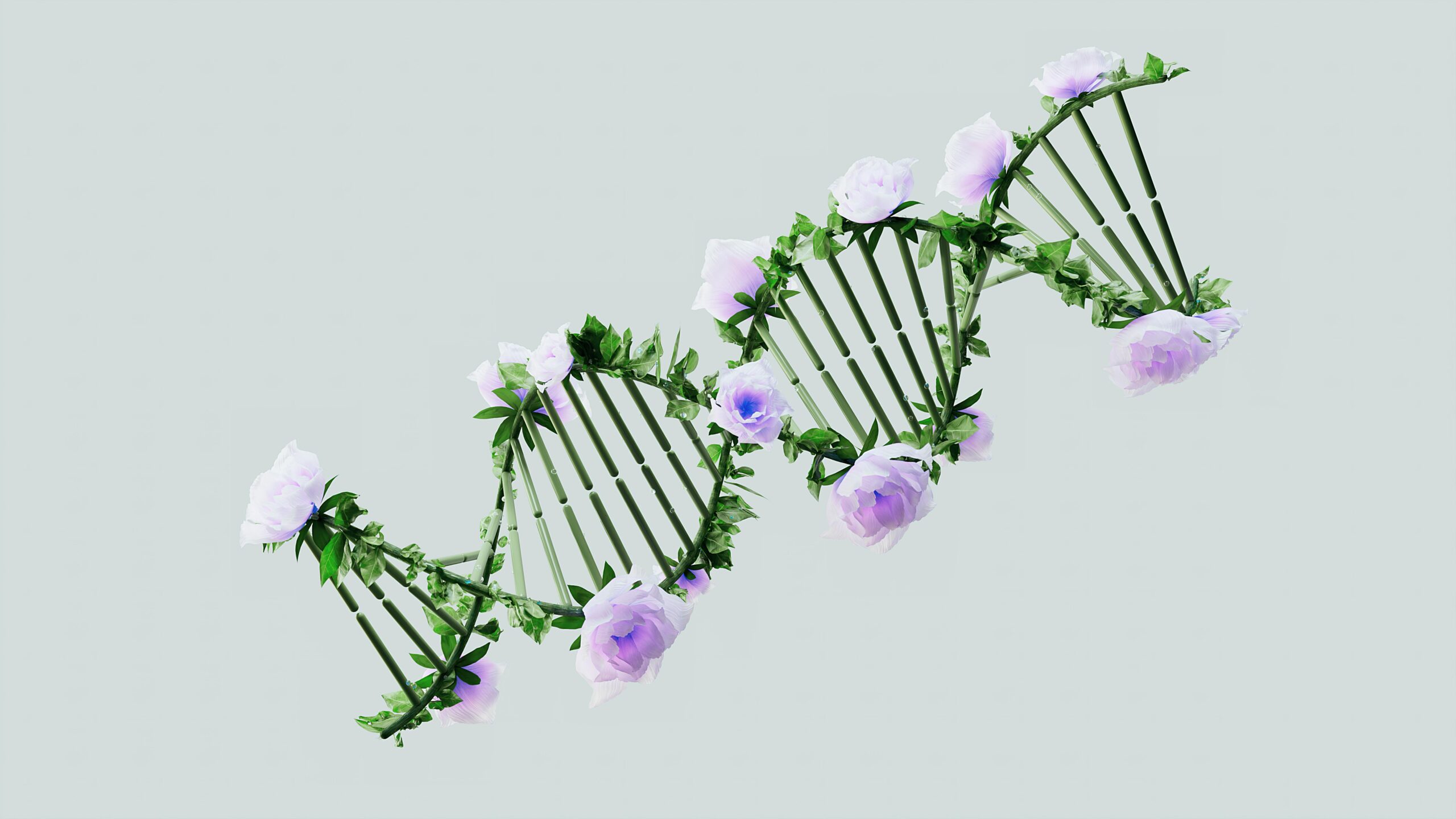
The quest to understand life’s origins extends far beyond Earth, reaching into the cosmic depths where chemistry meets biology. Biochemical evolution represents the fundamental bridge between lifeless matter and living systems, a process that may unfold across countless worlds throughout the universe.

Scientists now recognize that the emergence of life isn’t merely a terrestrial accident but potentially a cosmic imperative written into the laws of physics and chemistry. The molecular machinery that powers Earth’s biosphere—DNA, RNA, proteins, and metabolic pathways—arose through specific biochemical pathways that could be replicated wherever suitable conditions exist. Understanding these universal principles helps us decode the cosmic blueprint for life itself.
🧬 The Universal Chemistry of Life
At the heart of biochemical evolution lies a remarkable fact: all known life operates through the same fundamental chemical language. Carbon-based molecules form the structural backbone of biological systems, while water serves as the essential solvent enabling biochemical reactions. This consistency isn’t coincidental—it reflects the unique properties of these substances that make them cosmically favorable for life.
Carbon’s ability to form four stable covalent bonds creates virtually infinite molecular complexity. Silicon, often proposed as an alternative, lacks this versatility under most cosmic conditions. Meanwhile, water’s properties—its liquid range, solvent capacity, and chemical stability—make it the ideal medium for the molecular interactions necessary for life. These preferences suggest that carbon-water biochemistry may dominate throughout the universe.
The Building Blocks Found in Space
Astronomers have discovered organic molecules throughout the cosmos, from interstellar clouds to meteorites that fall to Earth. Amino acids, the building blocks of proteins, have been identified in the Murchison meteorite and detected in comet samples. Formaldehyde, hydrogen cyanide, and even sugar molecules drift through space, confirming that prebiotic chemistry operates on cosmic scales.
These discoveries revolutionize our understanding of life’s origins. Rather than emerging from nothing, early Earth inherited a rich inventory of organic compounds delivered by comets and asteroids. This cosmic seeding process likely occurs throughout the galaxy, providing raw materials for biochemical evolution wherever planets offer suitable environments.
From Chemistry to Biology: The Critical Transitions
The transformation from simple organic molecules to self-replicating systems represents one of science’s greatest mysteries. Biochemical evolution required several critical innovations: the emergence of information-carrying molecules, the development of catalytic systems, the formation of boundary structures, and the establishment of metabolic networks. Each step increased complexity while maintaining stability.
The RNA world hypothesis suggests that ribonucleic acid served as both genetic material and catalyst in early life forms. RNA molecules can store information like DNA and perform catalytic functions like proteins, making them ideal candidates for primordial biology. Laboratory experiments demonstrate that RNA can evolve through natural selection, creating increasingly efficient ribozymes through purely chemical processes.
Self-Organization and Complexity
Life’s emergence didn’t require miraculous coincidences but rather exploited natural tendencies toward self-organization. Under far-from-equilibrium conditions, chemical systems spontaneously generate order and complexity. Lipid molecules automatically form vesicles in water, creating membrane-bound compartments that mimic primitive cells. Autocatalytic reaction networks can sustain themselves and evolve without direct genetic control.
These self-organizing principles operate universally, governed by thermodynamics and chemical kinetics. Wherever energy flows through chemical systems, complexity can emerge. This realization transforms astrobiology from speculative science to predictive discipline—we can anticipate that similar biochemical pathways will unfold on distant worlds with comparable environmental conditions.
⚗️ Energy Sources Driving Biochemical Evolution
All living systems require energy to maintain organization and drive biochemical reactions. On Earth, life exploits multiple energy sources: sunlight through photosynthesis, chemical gradients through chemosynthesis, and geothermal energy through hydrothermal vent ecosystems. This metabolic diversity demonstrates biochemical evolution’s flexibility and suggests multiple pathways toward life across the universe.
Early Earth lacked oxygen, forcing primordial biochemistry to develop anaerobic metabolic strategies. Chemosynthetic organisms that harvest energy from chemical reactions—such as the oxidation of hydrogen sulfide or methane—may represent the most ancient metabolic pathway. These organisms thrive in environments that resemble conditions on other worlds, particularly Mars and icy moons like Europa and Enceladus.
Photosynthesis: A Universal Solution?
The evolution of photosynthesis transformed Earth’s biosphere, flooding the atmosphere with oxygen and enabling complex multicellular life. This biochemical innovation captures light energy and converts it into chemical bonds, storing solar power in organic molecules. Given the abundance of stars throughout the universe, photosynthesis or analogous light-harvesting mechanisms may evolve repeatedly across cosmic timescales.
However, photosynthesis requires specific conditions: transparent atmospheres, liquid water, and appropriate radiation wavelengths. Planets orbiting red dwarf stars—the most common stellar type—receive different light spectra, potentially requiring alternative photosynthetic pigments. Biochemical evolution would adapt to local stellar conditions, creating diverse photosynthetic systems optimized for their particular suns.
🌍 Environmental Constraints on Biochemical Pathways
The specific biochemical solutions that evolve depend critically on environmental parameters. Temperature, pressure, pH, radiation levels, and available elements all shape which molecular strategies succeed. Earth’s biochemistry evolved under specific conditions: moderate temperatures, one atmosphere pressure, near-neutral pH, and protection from excessive radiation. Different planetary environments would favor alternative biochemical architectures.
Extremophiles on Earth demonstrate biochemistry’s adaptability. Thermophiles thrive at temperatures exceeding 120°C, using heat-stable proteins and membrane lipids. Psychrophiles flourish below freezing, employing antifreeze proteins and flexible membranes. Acidophiles tolerate pH levels that would destroy ordinary cells, while radioresistant organisms survive radiation doses thousands of times higher than humans can tolerate.
Alternative Biochemistries
While carbon-water biochemistry dominates terrestrial thinking, alternative chemistries remain theoretically possible under exotic conditions. Ammonia could substitute for water as a solvent on cold worlds, remaining liquid at temperatures where water freezes solid. Silicon-based biochemistry might function in high-temperature environments where carbon molecules decompose. Sulfur could play more central metabolic roles on worlds rich in this element.
However, these alternatives face significant challenges. Ammonia’s narrower liquid range and chemical limitations constrain complexity. Silicon forms weaker bonds and less molecular diversity than carbon. Most exotic biochemistries can’t match carbon-water chemistry’s versatility across wide environmental ranges. Consequently, while alternative biochemistries remain possible, carbon-water systems likely predominate throughout the universe.
🔬 Molecular Evolution and Natural Selection
Biochemical evolution operates through molecular natural selection long before organisms emerge. Molecules that replicate more efficiently, resist degradation better, or catalyze useful reactions become more abundant. This chemical evolution laid the groundwork for biological evolution, establishing the molecular toolkit that life still employs today.
Laboratory experiments recreate these evolutionary processes. Researchers generate random RNA sequences and subject them to selection pressures, allowing molecules with desired properties to proliferate. Over successive generations, RNA evolves specific binding capabilities, catalytic activities, or structural features—demonstrating that purely chemical systems can evolve complexity through selection.
The Genetic Code’s Universal Structure
DNA’s genetic code translates nucleotide sequences into amino acid sequences with remarkable consistency across all terrestrial life. This universal code suggests common ancestry—all life descends from a single biochemical origin. However, the code’s structure also reveals optimization principles that might apply universally: error minimization, metabolic efficiency, and structural constraints.
The genetic code isn’t random but exhibits features that reduce the impact of mutations. Similar amino acids are encoded by similar codons, so genetic errors often produce functionally equivalent proteins. This error-correction capability would favor survival and might emerge repeatedly wherever genetic systems evolve. Universal biochemical principles may produce similar genetic architectures across cosmic distances.
🪐 Implications for Extraterrestrial Life Detection
Understanding biochemical evolution’s universal principles guides the search for life beyond Earth. Rather than seeking exact replicas of terrestrial biochemistry, astrobiologists identify biosignatures—chemical patterns indicating biological activity. Atmospheric disequilibrium, unusual molecular ratios, and complex organic molecules all signal potential biological processes.
Mars exploration targets ancient lakebeds and subsurface aquifers where biochemical evolution might have occurred. Europa and Enceladus, with their subsurface oceans, offer environments where chemosynthetic ecosystems could thrive. Titan’s hydrocarbon lakes present the possibility of exotic cryogenic biochemistry operating at temperatures of -180°C. Each target requires different detection strategies based on predicted biochemical pathways.
Biosignature Gases in Exoplanet Atmospheres
Next-generation telescopes will analyze exoplanet atmospheres for biosignature gases—molecules whose presence suggests biological activity. Oxygen combined with methane creates atmospheric disequilibrium maintained only by continuous production, potentially indicating life. Phosphine, dimethyl sulfide, and other gases have no known abiotic sources in significant quantities, making them potential biomarkers.
However, interpreting these signatures requires understanding how biochemical evolution responds to different planetary conditions. A planet orbiting an M-dwarf star might develop photosynthesis producing different waste gases than oxygen. Biochemical systems adapted to high-pressure atmospheres might generate unfamiliar metabolic products. Successful biosignature detection demands knowledge of universal biochemical principles, not just terrestrial examples.
⏰ Timescales of Biochemical Evolution
How quickly does biochemical evolution progress from simple organics to self-replicating systems? On Earth, life apparently emerged relatively rapidly—within a few hundred million years after the planet became habitable. This swift origin suggests that given suitable conditions, biochemical evolution proceeds efficiently, perhaps inevitably.
However, Earth’s rapid biogenesis might not represent the universal norm. Our planet may have been particularly favorable, with optimal temperatures, abundant water, and rich organic chemistry. Alternatively, we observe anthropic selection bias—we naturally find ourselves on a planet where life arose quickly. Other worlds might require billions of years for biochemical evolution to produce life, or might never succeed despite favorable conditions.
The Role of Planetary Stability
Biochemical evolution requires stable conditions persisting for extended periods. Planets experiencing extreme climate swings, catastrophic impacts, or intense radiation bursts struggle to maintain the continuous chemical evolution necessary for life’s emergence. Earth’s relatively stable climate, protected by its magnetic field and fortunate solar system architecture, provided the temporal window for biochemical complexity to develop.
This requirement for stability influences predictions about life’s cosmic abundance. Planets in the habitable zone of stable stars, with protective magnetic fields and relatively circular orbits, offer the best prospects for biochemical evolution. Worlds experiencing tidal locking, extreme orbital variations, or frequent bombardment face significant obstacles, potentially remaining lifeless despite otherwise favorable chemistry.
🌌 Universal Evolutionary Convergence
Evolution often converges on similar solutions to common problems—eyes evolved independently dozens of times, wings appeared in insects, birds, and bats, and streamlined body shapes emerged in fish, dolphins, and ichthyosaurs. This convergence suggests that certain designs represent optimal solutions to environmental challenges, potentially extending to biochemical evolution across the universe.
Fundamental biochemical problems—energy capture, information storage, catalysis, structural support—admit limited optimal solutions given physical constraints. DNA-like polymers may represent the best information storage system across most conditions. Protein-like polymers might universally serve catalytic functions. Lipid membranes could be the inevitable solution for cellular compartmentalization. Convergent biochemical evolution might produce remarkably similar molecular systems across cosmic distances.
🚀 The Future of Biochemical Evolution Research
Advancing technologies enable unprecedented investigation of biochemical evolution. Synthetic biology creates artificial cells from simple components, revealing minimal requirements for life. Computer simulations model prebiotic chemistry under various planetary conditions. Space missions directly sample extraterrestrial environments, testing theoretical predictions against cosmic reality.
The James Webb Space Telescope analyzes exoplanet atmospheres with unprecedented precision, potentially detecting biosignature gases. Mars rovers drill into ancient sediments seeking preserved organic molecules. Europa Clipper will investigate the icy moon’s subsurface ocean, searching for conditions favorable to biochemical evolution. These missions collectively explore whether life’s emergence follows universal patterns or represents a unique terrestrial accident.

🔭 Decoding Life’s Cosmic Blueprint
Biochemical evolution represents the universe’s pathway from simple chemistry to complex biology. Understanding this process illuminates not only our own origins but the potential prevalence of life throughout the cosmos. The same physical laws and chemical principles operate everywhere, suggesting that suitable planetary environments will reliably generate biochemical complexity.
Yet mysteries remain. We don’t fully understand how self-replicating systems first emerged or why life appeared so quickly on Earth. Alternative biochemistries might exist that we haven’t imagined. The transition from biochemical evolution to biological evolution involves steps we’re only beginning to comprehend. Each discovery raises new questions about life’s cosmic potential.
The next decades promise revolutionary insights as we explore diverse environments across our solar system and detect atmospheres of distant exoplanets. These investigations will test whether biochemical evolution follows predictable pathways or produces endless variation. We stand at the threshold of answering humanity’s oldest question: Are we alone in the universe? Understanding biochemical evolution’s cosmic code brings that answer within reach.
Life may not be a cosmic accident but an expected outcome wherever chemistry encounters favorable conditions. If biochemical evolution operates universally, then countless worlds across billions of galaxies may harbor life in various stages of development. Some might remain at prebiotic chemistry stages, while others have evolved complex ecosystems. A few might have produced technological civilizations pondering these same questions from distant shores.
This perspective transforms our understanding of humanity’s place in the cosmos. Rather than unique miracles, we represent one instance of a universal process—complex patterns emerging from simple rules. The molecules composing our bodies, the biochemical reactions powering our cells, and the genetic code storing our heritage all reflect principles extending far beyond Earth. We are, quite literally, assembled from cosmic ingredients following universal instructions written into reality’s fundamental laws. 🌟