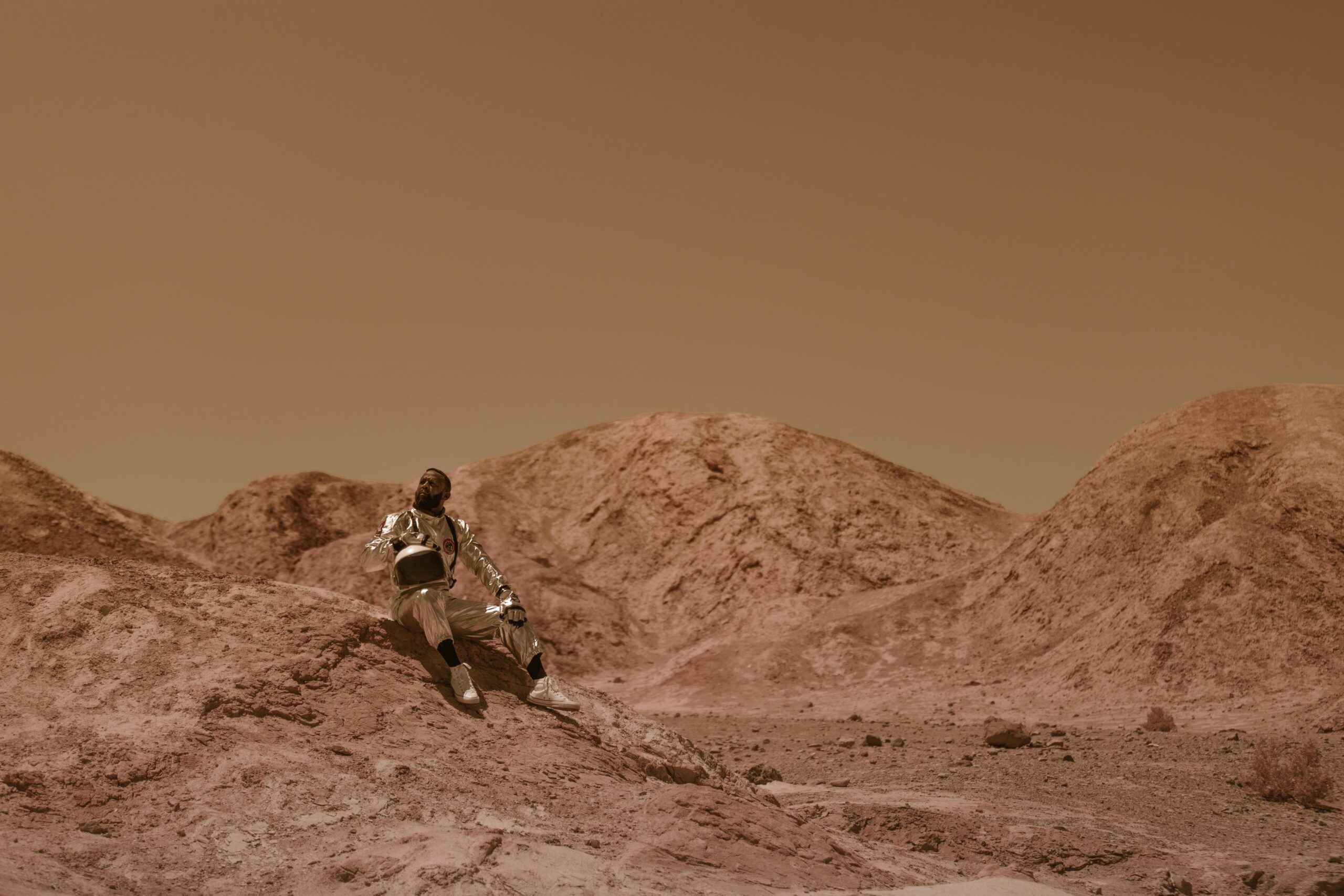
As humanity stands on the threshold of becoming a spacefaring civilization, we face profound questions about who we are and what we will carry with us into the cosmos. 🌌

The exploration of space is not merely a technological endeavor or a scientific pursuit—it represents a fundamental transformation in human identity itself. As we prepare to establish permanent settlements beyond Earth, from lunar bases to Martian colonies and perhaps eventually interstellar outposts, we must grapple with how our diverse cultural heritage will evolve, adapt, and manifest among the stars. This journey challenges us to reconsider the very foundations of what makes us human and how our collective identity will be preserved, transformed, and reimagined in extraterrestrial environments.
The Cultural Cargo We Carry Into Space 🚀
Every space mission, whether crewed or uncrewed, carries more than scientific instruments and life support systems. Humanity inevitably brings its cultural DNA—languages, beliefs, artistic expressions, social structures, and collective memories. The famous Golden Record aboard the Voyager spacecraft exemplifies this impulse to project our cultural identity into the universe, containing music, greetings in multiple languages, and images representing Earth’s diversity.
When astronauts orbit Earth or venture to the International Space Station, they bring cultural artifacts that ground them in their terrestrial identities. Russian cosmonauts have carried icons and observed Orthodox traditions, while astronauts from various nations have celebrated their respective holidays in orbit. These practices reveal an essential truth: culture is not something we can simply leave behind on the launch pad.
The selection of what cultural elements to prioritize in space becomes a matter of negotiation and representation. Who decides which languages dominate space communication protocols? Which artistic traditions deserve preservation in off-world archives? These questions become increasingly urgent as we transition from brief visits to permanent habitation beyond Earth.
Language and Communication Beyond Planetary Boundaries
Language serves as perhaps the most fundamental carrier of cultural identity, and its evolution in space environments presents fascinating challenges. Currently, English and Russian function as the primary languages of space operations, a reflection of historical spacefaring dominance rather than global linguistic diversity. As more nations develop space capabilities, this linguistic landscape will inevitably diversify.
Isolated space communities may develop their own dialects, slang, and eventually distinct linguistic variations. Just as island populations on Earth developed unique language features, Martian colonists separated from Earth by months of travel time and communication delays might forge their own linguistic identity. The emergence of “Martian English” or “Lunar Mandarin” could occur within generations.
Beyond spoken language, space environments may necessitate entirely new forms of communication. In vacuum conditions where sound doesn’t travel, visual communication systems become essential. The development of standardized gestural languages for spacesuit-to-spacesuit communication represents a new chapter in human linguistic evolution, one shaped by environmental constraints rather than cultural heritage alone.
The Role of Translation Technology in Preserving Diversity
Advanced translation technologies may prove essential for maintaining cultural and linguistic diversity in space settlements. Rather than forcing linguistic homogenization for practical purposes, real-time translation systems could enable colonists to maintain their native languages while still communicating effectively across linguistic boundaries. This technological solution might preserve cultural identity in ways that would otherwise be impossible in the close quarters of space habitats.
Religious and Spiritual Identity in the Cosmic Context 🌠
Religious and spiritual traditions have always been deeply connected to place—sacred geography, pilgrimage sites, and directional prayer orientations tied to Earth’s surface. Space travel fundamentally disrupts these terrestrial anchors. How does a Muslim pray toward Mecca from Mars? How do Indigenous spiritual practices centered on specific landscapes translate to artificial habitats?
Some religious communities have already begun addressing these questions. Islamic scholars have issued guidance for prayer in space, addressing both the direction of prayer and the timing of daily prayers when experiencing multiple sunrises and sunsets during orbital periods. These adaptations demonstrate religion’s capacity for flexibility while maintaining core identity.
Space environments may also catalyze new spiritual perspectives. The “overview effect”—the cognitive shift reported by astronauts viewing Earth from space—often produces profound spiritual or philosophical experiences that transcend traditional religious boundaries. This shared experience of cosmic perspective might become a unifying element of space-dwelling humanity’s cultural identity.
Artistic Expression and Cultural Memory in Space Habitats
Art serves as both a repository of cultural memory and a means of processing new experiences. Space environments will undoubtedly inspire new artistic movements, just as previous frontier experiences have throughout human history. The question becomes how space-based communities will balance preserving Earth’s artistic heritage with developing their own unique creative expressions.
Physical constraints shape artistic possibilities in space. The absence of gravity opens new dimensions for sculpture and performance art while constraining others. Limited resources in early colonies may prioritize functional design over aesthetic considerations, yet history suggests humans inevitably find ways to incorporate beauty and cultural expression even in austere conditions.
Digital archives allow comprehensive preservation of Earth’s artistic heritage in compact forms, but the question remains which physical artifacts deserve the precious cargo space in colonization missions. Museum collections for Mars will require careful curation to represent humanity’s cultural diversity within severe mass and volume constraints.
Music and Performance Arts in Low-Gravity Environments
Musical instruments behave differently in various atmospheric pressures and gravitational conditions. Wind instruments require air, making them impractical in many space environments. Percussion and string instruments face different challenges related to material behavior under varying conditions. These constraints may lead to the development of entirely new musical instruments and performance traditions unique to space environments.
Dance and movement arts could flourish in new ways under low-gravity conditions, creating performance traditions impossible on Earth. These art forms might become signature cultural expressions of space-dwelling humanity, much as distinctive dance traditions emerged in various terrestrial cultures.
Food Culture and Identity in Closed-Loop Environments 🍽️
Culinary traditions represent some of the most cherished and resilient aspects of cultural identity. The challenge of maintaining food culture in space extends beyond nutrition to encompass social bonding, celebration, and connection to heritage. Early space food was notoriously unappealing, but recent decades have seen growing recognition of cuisine’s importance for psychological well-being during long-duration missions.
Space agriculture systems will necessarily prioritize efficiency and nutritional completeness, potentially limiting the variety of ingredients available for traditional cuisines. However, innovative approaches to space farming—from hydroponics to cellular agriculture—may eventually enable surprising culinary diversity. The development of “space cuisine” will likely blend efficiency requirements with cultural preservation efforts.
Food rituals and communal dining practices may become even more important in isolated space communities, serving as anchors to cultural identity and creating social cohesion. Holiday celebrations, traditional feast preparations, and family recipes adapted for space conditions could become powerful means of maintaining cultural continuity across generations born beyond Earth.
Social Structures and Governance Beyond Earth 🏛️
Cultural identity encompasses not just expressive traditions but also social organization patterns, governance philosophies, and interpersonal norms. Space settlements will need to establish social structures that may draw from Earth’s diverse cultural approaches to community organization, leadership, conflict resolution, and resource distribution.
The extreme interdependence required in life-critical space habitats may favor collectivist social values over individualistic ones, regardless of colonists’ cultural backgrounds. This environmental pressure could create convergent evolution in social organization, potentially creating tension with some cultural traditions that emphasize individual autonomy.
Governance systems for space settlements represent opportunities to intentionally design social structures drawing from humanity’s diverse political and organizational traditions. Whether settlements adopt democratic, consensus-based, technocratic, or hybrid governance models will profoundly shape the cultural identity of space-dwelling populations.
Intergenerational Cultural Transmission in Space
Perhaps the greatest challenge to maintaining cultural identity in space involves transmission to successive generations. Children born on Mars or in orbital habitats will have no direct experience of Earth’s environments, only mediated knowledge through recordings, virtual reality, and stories. Their primary identity formation will occur in space contexts.
Education systems in space settlements will bear enormous responsibility for cultural preservation. The curriculum choices—which histories to emphasize, which languages to teach, which cultural traditions to prioritize—will shape the identity of space-born generations. Balancing comprehensive education about Earth’s diversity with the practical needs of space survival presents complex challenges.
Hybrid Identities: The Emergence of Space-Based Cultures 🌍➡️🌌
Rather than simply transporting Earth cultures unchanged to space environments, humanity will likely witness the emergence of hybrid identities—new cultural formations that blend terrestrial heritage with space-adapted innovations. These space-based cultures may retain elements recognizable from their Earth origins while developing distinctive characteristics shaped by their unique environments and challenges.
Historical parallels exist in how diaspora communities develop distinct identities while maintaining connections to ancestral cultures. Caribbean cultures, for instance, represent unique syntheses of African, European, and Indigenous elements that differ from any parent culture. Space settlements may follow similar patterns, creating “Martian-Chinese” or “Lunar-Nigerian” cultures that honor their roots while forging new identities.
The timeline for this cultural divergence remains uncertain. Will recognizably distinct space cultures emerge within generations, or will advanced communication technologies maintain closer integration with Earth cultures for centuries? The answer may vary dramatically between different settlements based on their distance from Earth, population size, and degree of interaction with the home planet.
Preserving Indigenous Knowledge Systems in Space Contexts
Indigenous cultures possess sophisticated knowledge systems developed through millennia of close environmental observation and sustainable resource management. These epistemologies may offer valuable frameworks for space settlement, particularly regarding long-term thinking, ecological balance in closed systems, and community resilience.
However, many Indigenous knowledge systems are intrinsically tied to specific landscapes and ecosystems. The challenge becomes identifying which elements of these worldviews can meaningfully translate to space environments and ensuring Indigenous peoples participate as equals in shaping humanity’s space future rather than having their knowledge extracted while they remain excluded from space development.
Some Indigenous communities have already begun engaging with space contexts, developing protocols for off-world exploration that align with their cultural values. These initiatives represent important steps toward ensuring space development reflects humanity’s full cultural diversity rather than merely replicating colonial patterns in new environments.
Cultural Conflict and Resolution in Multi-Cultural Space Communities
Space settlements will almost certainly be multi-cultural environments, bringing together people from diverse backgrounds in close quarters with little possibility of separation. This proximity creates both opportunities for rich cultural exchange and potential for conflict when different value systems clash over resource allocation, social norms, or governance decisions.
The development of conflict resolution mechanisms that respect cultural differences while maintaining habitat safety will be essential. Some cultural traditions emphasize direct confrontation while others prioritize indirect communication and face-saving measures. Space communities will need sophisticated approaches to navigating these different conflict styles.
Shared challenges—maintaining life support, responding to emergencies, building new infrastructure—may create unifying experiences that transcend cultural differences. The forging of a common “space settler” identity might provide overarching cohesion while still allowing maintenance of distinct cultural heritages at individual and community levels.
Digital Preservation and Virtual Cultural Experiences
Advanced digital technologies offer unprecedented opportunities for cultural preservation and transmission in space contexts. Comprehensive digital archives can store vast quantities of cultural material—texts, recordings, images, virtual reconstructions—in relatively compact forms. Virtual and augmented reality technologies enable immersive cultural experiences that may partially compensate for physical separation from Earth’s cultural sites.
A child born on Mars could virtually visit the Taj Mahal, walk through the Louvre, or experience a traditional Japanese tea ceremony through sophisticated simulation technologies. While not equivalent to physical presence, these digital surrogates may play crucial roles in maintaining connection to Earth’s cultural heritage.
However, reliance on digital preservation raises concerns about technological dependency and potential data loss. Digital storage media degrades over time, and file formats become obsolete. Space settlements will need robust strategies for maintaining cultural archives across centuries, including regular media migration and format updating.
The Question of Cultural Authenticity in Space Settings 🎭
As cultural practices adapt to space environments, questions of authenticity inevitably arise. If a traditional ceremony cannot be performed exactly as on Earth due to environmental constraints, does the modified version retain cultural legitimacy? Who has authority to authorize such adaptations?
These questions echo debates within diaspora communities on Earth about cultural preservation and evolution. The concept of culture as static and unchanging has largely been rejected by contemporary anthropology in favor of understanding cultures as dynamic, adaptive systems. This perspective may prove liberating for space-dwelling populations seeking to honor their heritage while adapting to new realities.
The danger lies in cultural practices becoming mere performances divorced from their original meanings and contexts. Maintaining the underlying values and worldviews that animate cultural practices may prove more important than preserving specific ritual forms unchanged.
Envisioning Humanity’s Cultural Future Among the Stars ✨
The expansion of humanity into space represents not an abandonment of our cultural heritage but its greatest test and potentially its most magnificent flowering. As we establish ourselves among the stars, we carry with us the accumulated wisdom, creativity, and diversity of human civilization while creating space for new cultural expressions to emerge.
The ideal outcome involves neither rigid preservation that stifles adaptation nor thoughtless abandonment of heritage in pursuit of efficiency. Instead, space-dwelling humanity might achieve a dynamic balance—honoring the past while embracing the future, maintaining diversity while building unity, preserving what matters most while allowing transformation.
This cultural journey into space will be messy, contested, and unpredictable. Different settlements may make radically different choices about which aspects of Earth culture to emphasize. Some might attempt to recreate specific Earth cultures as faithfully as possible, becoming “New India” or “New Japan” among the stars. Others might embrace radical cultural experimentation, creating entirely novel social formations.
The diversity of approaches itself represents a kind of cultural preservation—maintaining humanity’s characteristic variety even as individual cultures evolve. Just as Earth’s geographic diversity enabled the flourishing of different cultures in different environments, the varied conditions of different space settlements may nurture new forms of cultural diversity.
Our Responsibility to Future Generations Beyond Earth
Those of us living through humanity’s transition to a multi-planetary species bear unique responsibilities. The choices we make now about what to preserve, what to prioritize, and how to support cultural diversity in space will shape the identity options available to countless future humans who will live their entire lives beyond Earth.
This responsibility includes ensuring that space development doesn’t simply replicate Earth’s existing power imbalances and exclusions. The opportunity exists to approach our expansion into space more equitably and inclusively than historical colonization efforts, learning from past mistakes rather than repeating them on a cosmic scale.
It also means resisting the temptation to impose cultural homogenization for short-term efficiency. While standardization offers practical advantages, the long-term resilience and vitality of space-dwelling humanity may depend on maintaining cultural diversity as a source of adaptability, creativity, and meaning.
As we venture into the cosmos, we carry not just the biological inheritance of human DNA but the cultural inheritance of human civilization in all its magnificent diversity. Our challenge and privilege is ensuring that both forms of heritage flourish among the stars, evolving in ways we cannot predict but supporting human flourishing in whatever forms it takes. The cosmos awaits not just humanity, but the full spectrum of human cultures—each bringing unique perspectives, values, and wisdom to our greatest collective adventure. 🌟