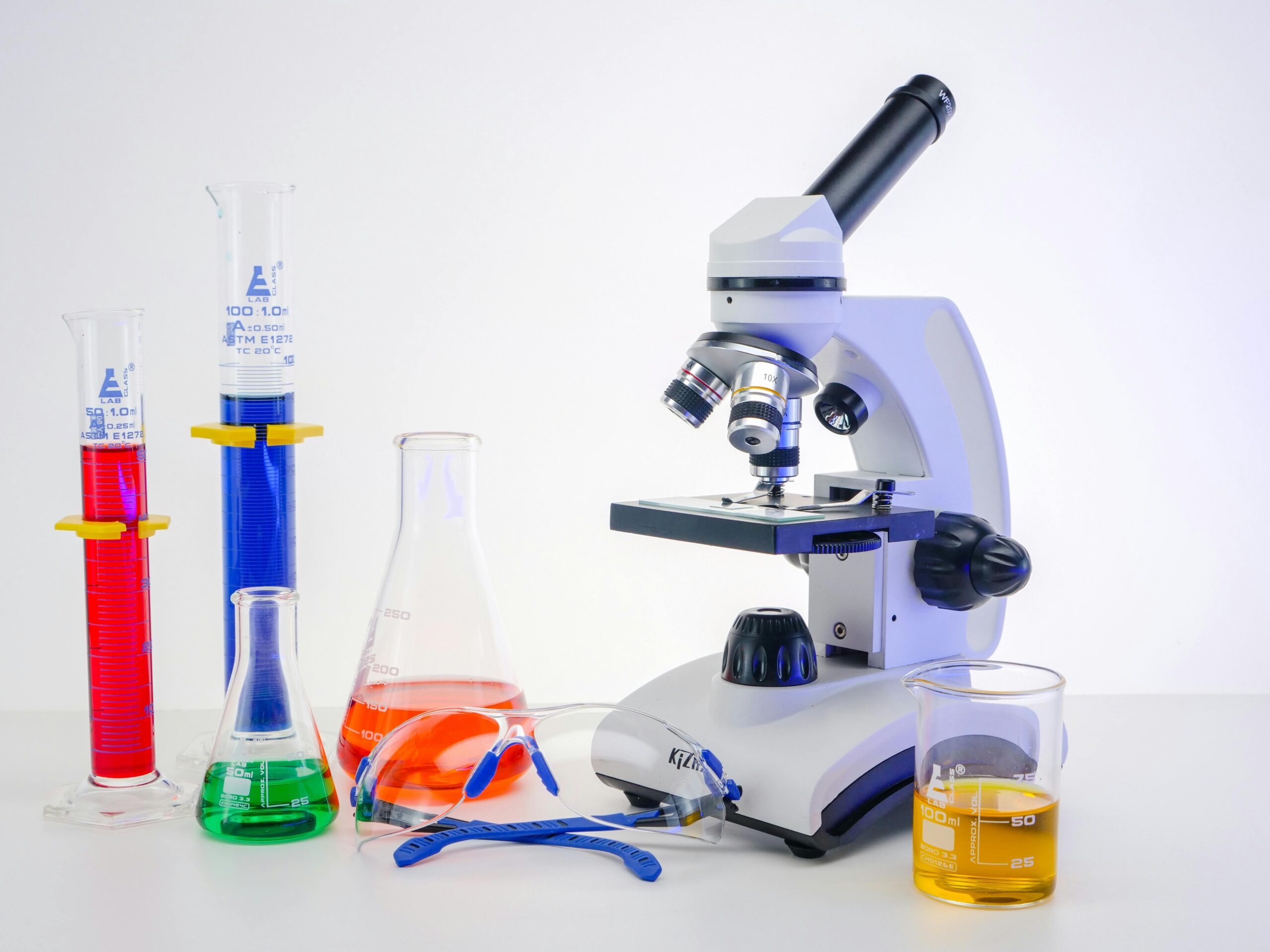
Our planet faces unprecedented environmental challenges, from climate change to soil degradation. Yet hidden within Earth’s microscopic realm lies an extraordinary solution: the untapped power of microbial life forms that could revolutionize planetary restoration efforts.

Microorganisms have shaped Earth’s atmosphere, oceans, and landmasses for billions of years. Today, scientists are rediscovering these tiny powerhouses as essential allies in healing damaged ecosystems, sequestering carbon, remediating pollution, and building a sustainable future. This emerging field of microbial planetary reconditioning represents one of humanity’s most promising pathways toward environmental restoration.
🌍 The Microbial Foundation of Earth’s Life Support Systems
Microorganisms constitute the largest biomass on Earth, outnumbering all visible life forms combined. These microscopic engineers perform critical functions that maintain planetary habitability, from nitrogen fixation to carbon cycling. Without microbial activity, life as we know it would cease to exist within weeks.
Bacteria, archaea, fungi, and other microbes drive biogeochemical cycles that regulate atmospheric composition, soil fertility, and water quality. They break down organic matter, release nutrients, produce oxygen, and decompose pollutants. Their collective metabolic activities have shaped Earth’s environment for over 3.5 billion years, creating the conditions necessary for complex life to flourish.
Understanding these fundamental processes has opened new frontiers in environmental science. Researchers now recognize that restoring microbial diversity and function represents a cornerstone strategy for planetary health restoration. By harnessing natural microbial capabilities, we can amplify nature’s own healing mechanisms.
Bioremediation: Nature’s Pollution Solution
Industrial contamination has left vast areas of land and water polluted with heavy metals, petroleum products, pesticides, and synthetic chemicals. Traditional cleanup methods are expensive, energy-intensive, and often incomplete. Microbial bioremediation offers an elegant alternative that works with nature rather than against it.
Specialized bacteria can metabolize oil spills, transforming toxic hydrocarbons into harmless compounds. Following the Deepwater Horizon disaster, naturally occurring oil-eating microbes consumed significant portions of the spill, demonstrating nature’s remarkable cleanup capacity. Scientists are now cultivating these organisms to accelerate remediation processes.
Heavy Metal Bioaccumulation and Transformation
Certain microorganisms possess the extraordinary ability to accumulate or transform toxic heavy metals. Bacteria like Cupriavidus metallidurans can concentrate metals such as gold, copper, and zinc within their cells, effectively removing these elements from contaminated environments. Other species convert toxic mercury into less harmful forms.
This microbial metallurgy offers solutions for mining waste, industrial effluent, and agricultural runoff. Projects worldwide are implementing microbial treatment systems that clean contaminated water while potentially recovering valuable metals, creating circular economy opportunities from pollution.
Plastic-Degrading Microbes: Addressing the Polymer Crisis
Plastic pollution has become one of the defining environmental challenges of our era. Recent discoveries of plastic-eating bacteria, such as Ideonella sakaiensis which consumes PET plastic, have generated enormous excitement. These organisms produce enzymes that break molecular bonds in synthetic polymers, returning them to simpler compounds.
While still in early development stages, engineered microbial systems could eventually process plastic waste at scale, transforming landfills and ocean garbage patches from environmental disasters into resource recovery sites. Researchers are working to enhance enzyme efficiency and expand the range of plastics these organisms can digest.
🌱 Rebuilding Soil Health Through Microbial Restoration
Modern industrial agriculture has severely depleted soil microbial communities worldwide. Chemical fertilizers, pesticides, and intensive monoculture farming have disrupted the complex underground networks that naturally nourish plants and maintain soil structure. Restoring these microbial ecosystems represents a critical priority for sustainable food production.
Healthy soil contains billions of microorganisms per gram, creating a living matrix that stores carbon, retains water, and cycles nutrients. This soil microbiome functions as the digestive system of Earth, breaking down organic matter and making minerals bioavailable to plants. Damaged soils lose productivity, erode easily, and contribute to atmospheric carbon accumulation.
Mycorrhizal Networks: The Underground Internet
Mycorrhizal fungi form symbiotic relationships with plant roots, extending their reach and nutrient absorption capacity by orders of magnitude. These fungal networks connect multiple plants, facilitating nutrient exchange and chemical communication across entire ecosystems. They represent nature’s original internet, predating human civilization by millions of years.
Reintroducing mycorrhizal inoculants to degraded agricultural lands dramatically improves crop yields while reducing fertilizer requirements. These fungi help plants access phosphorus, enhance drought resistance, and improve soil structure. Large-scale mycorrhizal restoration could transform agriculture while sequestering substantial atmospheric carbon.
Nitrogen-Fixing Bacteria: Natural Fertilizer Factories
Nitrogen fixation by bacteria such as Rhizobium converts atmospheric nitrogen into forms plants can utilize, eliminating the need for synthetic fertilizers. These organisms live in root nodules of legumes and certain other plants, providing nitrogen in exchange for carbohydrates from photosynthesis.
Expanding nitrogen-fixing crop rotations and developing new plant-bacteria partnerships could reduce agricultural dependence on energy-intensive synthetic nitrogen production, which currently accounts for approximately 2% of global energy consumption and substantial greenhouse gas emissions.
Carbon Sequestration: Microbial Climate Solutions
Microorganisms play central roles in Earth’s carbon cycle, both releasing and capturing atmospheric carbon dioxide. Strategic management of microbial communities offers powerful climate mitigation potential, complementing reduction efforts with active carbon removal.
Soil microbes store more carbon than all terrestrial vegetation and the atmosphere combined. Enhancing soil microbial activity through regenerative practices could sequester billions of tons of atmospheric carbon annually. This biological carbon capture operates continuously, powered by sunlight and natural processes rather than industrial energy.
Cyanobacteria and Algal Carbon Capture
Photosynthetic microorganisms like cyanobacteria and microalgae capture carbon dioxide with exceptional efficiency. These organisms grow rapidly, doubling their biomass in hours under optimal conditions. They can thrive in environments unsuitable for conventional agriculture, including brackish water, wastewater, and coastal areas.
Industrial cultivation systems are being developed to produce microbial biomass while capturing carbon emissions from power plants and manufacturing facilities. The harvested biomass can be processed into biofuels, animal feed, fertilizers, or biochemicals, creating economic incentives for carbon capture.
Methanotrophic Bacteria: Addressing Potent Greenhouse Gases
Methane is a greenhouse gas over 80 times more potent than carbon dioxide over short timeframes. Methanotrophic bacteria consume methane as their primary energy source, converting it to carbon dioxide and biomass. These organisms naturally regulate atmospheric methane concentrations in wetlands and soils.
Researchers are exploring applications of methanotrophs to capture emissions from landfills, agricultural operations, and natural gas production. Engineered biofilters containing these bacteria could significantly reduce methane leakage from infrastructure while producing valuable protein-rich biomass.
🏭 Industrial Applications: Microbial Manufacturing Revolution
Beyond environmental remediation, engineered microorganisms are transforming manufacturing through synthetic biology and metabolic engineering. These living factories produce materials, chemicals, and fuels using renewable feedstocks rather than petroleum, reducing industrial carbon footprints.
Microbes can be programmed to synthesize complex molecules including pharmaceuticals, fragrances, plastics, and materials with properties impossible to achieve through conventional chemistry. This biological manufacturing operates at ambient temperatures and pressures, dramatically reducing energy requirements compared to traditional industrial processes.
Biofuel Production and Energy Independence
Algae and engineered bacteria can produce biodiesel, ethanol, and even jet fuel from carbon dioxide and sunlight. While first-generation biofuels competed with food production, microbial systems utilize non-arable land and can consume waste streams, avoiding ethical dilemmas around fuel-versus-food.
Advanced systems are achieving productivity levels that could make microbial fuels cost-competitive with petroleum, potentially providing renewable alternatives for transportation sectors difficult to electrify, such as aviation and long-distance shipping.
Ecosystem Restoration Through Microbial Reintroduction
Degraded ecosystems often lack the microbial diversity necessary for natural recovery. Targeted reintroduction of beneficial microorganisms can jumpstart restoration processes, accelerating recovery that might otherwise take decades or centuries.
In coral reef restoration, introducing beneficial bacteria strengthens coral resilience against bleaching and disease. Forest restoration projects increasingly incorporate soil microbial inoculants to improve seedling survival and growth rates. Wetland reconstruction benefits from microbial communities that establish proper nutrient cycling and water filtration.
Probiotic Approaches to Ocean Health
Marine microbial communities regulate ocean chemistry, produce half of Earth’s oxygen, and form the base of aquatic food webs. Ocean acidification and warming are disrupting these communities with cascading effects throughout marine ecosystems.
Experimental interventions are testing whether introducing specific microbial consortia can enhance coral reef resilience, reduce harmful algal blooms, or improve shellfish aquaculture sustainability. While marine microbiome manipulation requires extreme caution, small-scale trials show promising results for protecting vulnerable ecosystems.
⚠️ Challenges and Ethical Considerations
Harnessing microbial power for planetary reconditioning presents technical, ecological, and ethical challenges requiring careful consideration. Releasing engineered organisms into open environments carries risks of unintended consequences, including disruption of existing ecosystems or horizontal gene transfer to wild populations.
Rigorous safety protocols, environmental impact assessments, and containment strategies must guide microbial interventions. International cooperation and regulatory frameworks are essential to ensure responsible development and deployment of these powerful technologies.
Biosecurity and Containment
Engineered microorganisms designed for specific remediation tasks must not become invasive or outcompete beneficial native species. Scientists employ multiple containment strategies, including genetic kill switches, nutrient dependencies on compounds not found in nature, and geographical isolation during development phases.
Monitoring systems track microbial populations after environmental release, ensuring interventions proceed as intended without adverse effects. This cautious approach balances innovation with environmental protection, learning from past ecological mistakes.
🚀 The Path Forward: Scaling Microbial Solutions
Transitioning from laboratory successes to planetary-scale applications requires technological innovation, economic investment, and policy support. Several strategies can accelerate the development and deployment of microbial reconditioning approaches.
Public-private partnerships can fund research while establishing commercialization pathways for successful technologies. Carbon markets and environmental credits could provide economic incentives for microbial carbon sequestration and remediation projects. Educational initiatives must build public understanding and support for these nature-based solutions.
Integration with Traditional Conservation
Microbial interventions work best when combined with habitat protection, pollution reduction, and sustainable resource management. Technology cannot substitute for preserving existing ecosystems, but can enhance restoration where damage has already occurred.
Indigenous knowledge about traditional ecological management often implicitly supported beneficial microbial communities through practices like controlled burning, crop rotation, and polyculture farming. Modern approaches should integrate this wisdom with contemporary scientific understanding.

Building a Microbially-Enhanced Sustainable Future
The coming decades will determine whether humanity can reverse environmental degradation and establish truly sustainable relationships with planetary systems. Microbial technologies offer tools with unprecedented potential for cleaning pollution, restoring ecosystems, producing materials sustainably, and stabilizing climate.
Success requires viewing microorganisms not as invisible enemies to be eliminated, but as essential partners in maintaining Earth’s habitability. This paradigm shift—from fighting nature to working with it—represents a fundamental evolution in human environmental philosophy.
Investment in microbial research, restoration ecology, and biological engineering will yield returns far exceeding their costs. Every hectare of soil restored, every ton of pollution remediated, and every unit of carbon sequestered through microbial processes moves civilization toward sustainability while creating economic opportunities.
The microbial world has maintained Earth’s habitability for billions of years. By understanding and thoughtfully harnessing these ancient systems, humanity can participate in planetary healing rather than continuing as agents of degradation. The invisible majority of life on Earth offers visible hope for our collective future—if we have the wisdom to embrace their power.