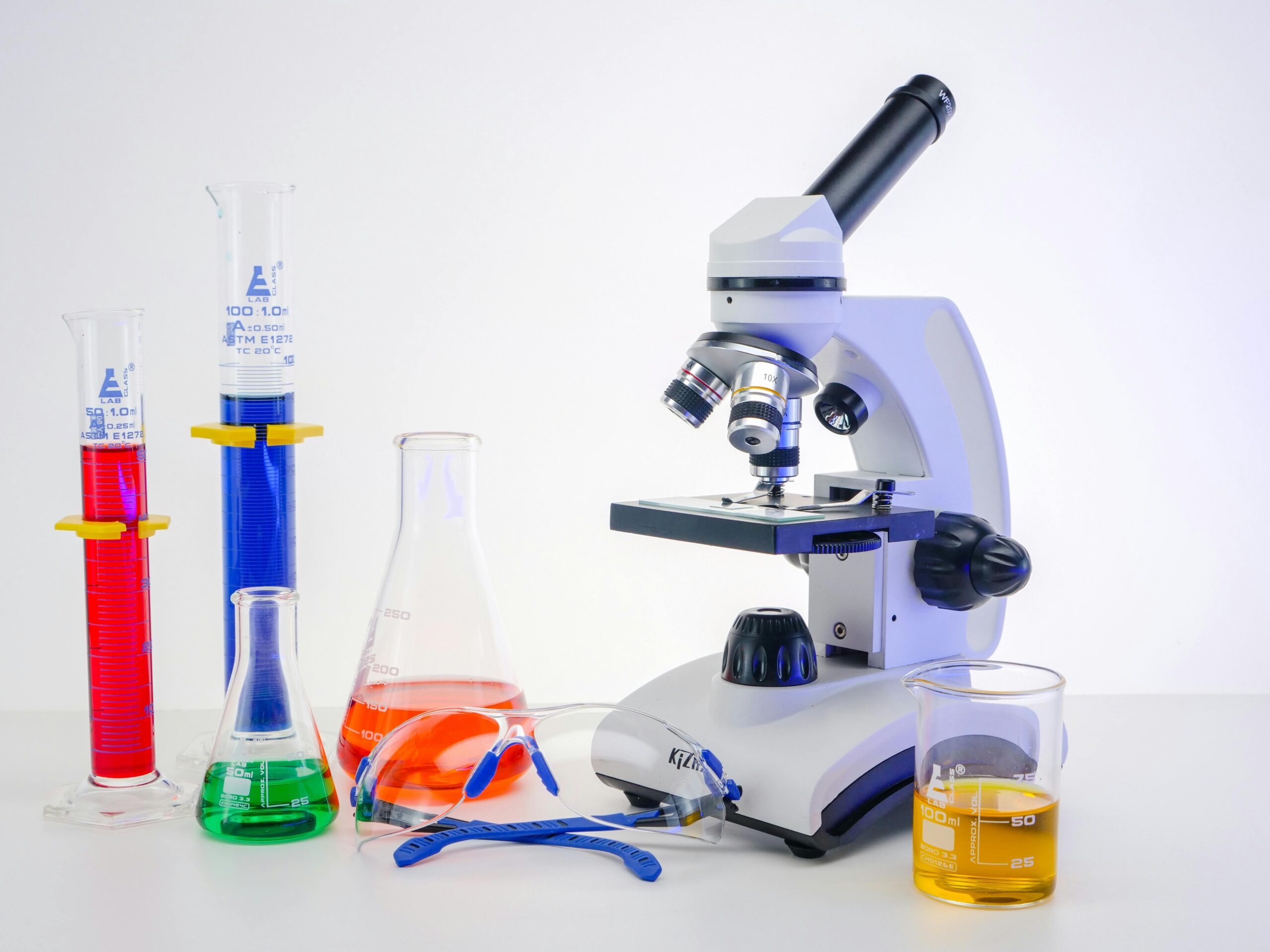
Humanity stands on the brink of an extraordinary era where transforming entire planets from barren wastelands into habitable worlds moves from science fiction to scientific possibility. The key to unlocking this future lies in sophisticated terraforming simulation models.

These powerful computational tools allow scientists, engineers, and visionaries to experiment with planetary transformation strategies without the astronomical costs and irreversible consequences of trial-and-error approaches on actual celestial bodies. As we venture deeper into space exploration, mastering these simulation technologies becomes not just advantageous but essential for our species’ expansion beyond Earth.
🌍 The Foundation of Terraforming Science
Terraforming represents one of humanity’s most ambitious aspirations: reshaping entire planetary environments to support Earth-like life. The concept, popularized by science fiction writers like Kim Stanley Robinson, has evolved into a legitimate field of scientific inquiry backed by atmospheric chemistry, planetary geology, and ecological modeling.
At its core, terraforming involves modifying a planet’s atmosphere, temperature, surface topography, and ecology to create conditions suitable for human habitation. Mars stands as the primary candidate for such transformation, with Venus and several moons of Jupiter and Saturn presenting additional possibilities for future consideration.
The complexity of such undertakings defies simple planning. A single miscalculation in atmospheric composition could trigger runaway greenhouse effects or frozen wastelands. This is where simulation models become invaluable, offering virtual laboratories where theories can be tested and refined.
Understanding Terraforming Simulation Architecture
Modern terraforming simulations integrate multiple scientific disciplines into comprehensive computational frameworks. These models don’t simply predict weather patterns; they simulate entire planetary systems with interconnected geological, atmospheric, hydrological, and biological processes.
Core Components of Simulation Models
Atmospheric dynamics modules calculate gas distribution, temperature gradients, and circulation patterns across planetary surfaces. These systems account for solar radiation, planetary rotation, axial tilt, and gravitational influences that shape atmospheric behavior over decades and centuries.
Thermal regulation systems model heat absorption, reflection, and retention across different surface materials and atmospheric compositions. Understanding albedo effects—how surfaces reflect or absorb solar energy—proves critical for predicting long-term temperature stability.
Hydrological cycle simulations track water in all its phases: vapor, liquid, and ice. These models predict where water accumulates, how it moves through systems, and whether stable water cycles can establish themselves given specific planetary conditions.
Geological activity modules simulate volcanic processes, tectonic movements, and surface weathering that continuously reshape planetary surfaces and contribute gases to atmospheres over geological timescales.
🚀 Advanced Modeling Techniques for Planetary Engineering
The sophistication of terraforming simulations has increased exponentially with computational power. Today’s models employ machine learning algorithms, quantum computing capabilities, and massive parallel processing to achieve unprecedented accuracy and scope.
Multi-Scale Temporal Modeling
One of the greatest challenges in terraforming simulation involves the vast timescales involved. Some processes operate over days or weeks, while others unfold across millennia. Advanced models now incorporate multi-scale temporal frameworks that simultaneously track rapid atmospheric changes and slow geological transformations.
This approach allows researchers to identify critical intervention points where relatively small actions might trigger beneficial cascading effects. For instance, simulations might reveal that strategically placed orbital mirrors could initiate ice melting at Martian poles, releasing carbon dioxide that begins atmospheric thickening.
Probabilistic Outcome Mapping
Rather than predicting single outcomes, cutting-edge simulations generate probability distributions across thousands of possible futures. This Monte Carlo approach accounts for uncertainties in initial conditions, intervention effectiveness, and unforeseen complications.
Researchers can then identify robust strategies that succeed across many scenarios versus fragile approaches that only work under perfect conditions. This risk-aware planning becomes essential when dealing with projects spanning centuries and costing trillions of dollars.
Real-World Applications Shaping Tomorrow’s Planets
While full planetary terraforming remains decades or centuries away, simulation models already guide practical applications in space exploration and settlement planning. These tools inform mission design, habitat placement, and resource utilization strategies for near-term endeavors.
Mars Settlement Site Selection 🔴
NASA, SpaceX, and other space agencies use terraforming simulations to evaluate potential Mars settlement locations. Models assess local atmospheric pressure, temperature variations, water ice accessibility, and solar exposure to identify optimal sites for initial bases.
These simulations also test localized terraforming concepts like pressurized greenhouse domes and subsurface habitats. By modeling how enclosed environments interact with Martian conditions, engineers design more efficient life support systems and identify potential failure modes before construction begins.
Lunar Resource Exploitation Planning
Though the Moon presents a less obvious terraforming candidate than Mars, simulation models still guide its development. Researchers model how permanently shadowed craters might be illuminated through orbital reflectors, accessing trapped water ice for fuel and life support.
Other simulations explore creating enclosed biospheres within lava tubes, naturally occurring underground channels that offer radiation protection and temperature stability. These models test whether sustainable ecosystems could function in such environments with minimal external inputs.
The Technology Stack Behind Planetary Simulations
Creating accurate terraforming models requires integrating diverse computational tools and scientific databases. Understanding this technology stack reveals both the capabilities and limitations of current simulation approaches.
Climate Modeling Engines
At the foundation lie adapted versions of Earth climate models, modified for different planetary parameters. These General Circulation Models (GCMs) solve complex fluid dynamics equations that govern atmospheric and oceanic behavior.
Specialized versions accommodate Mars’ thin atmosphere, Venus’ crushing pressures, or Titan’s methane cycle. Each requires careful calibration using available planetary data from orbiters, landers, and telescopic observations.
Biological Integration Frameworks
Advanced simulations now incorporate biosphere development models that predict how introduced organisms might establish, spread, and modify planetary environments. These ecological modules simulate everything from simple bacteria to complex plant communities.
Researchers test scenarios where extremophile organisms gradually alter soil chemistry and atmospheric composition through their metabolic processes. Some models explore directed evolution approaches where organisms are genetically designed to thrive under specific planetary conditions while producing desired environmental modifications.
⚙️ Challenges in Terraforming Simulation Accuracy
Despite tremendous advances, terraforming models face significant limitations that researchers continuously work to overcome. Acknowledging these challenges proves essential for appropriately weighting simulation outputs in decision-making processes.
Incomplete Planetary Data
Even for relatively well-studied Mars, enormous gaps exist in our understanding. Subsurface composition, precise atmospheric chemistry at various altitudes, and soil properties across different regions remain partially unknown. Models must make assumptions that introduce uncertainty into predictions.
For more distant worlds like the moons of Saturn, our knowledge proves even more limited. Simulations based on sparse data necessarily produce wider probability ranges and less confident recommendations.
Computational Constraints
Truly comprehensive planetary simulations would require computational resources far beyond current capabilities. Even the most powerful supercomputers must compromise between spatial resolution, temporal scope, and process complexity.
Most models focus on specific aspects—atmospheric evolution or hydrological development—rather than fully integrated systems. Researchers work toward more holistic approaches as computing power increases and algorithms improve in efficiency.
Ethical Dimensions of Planetary Transformation
Beyond technical challenges, terraforming raises profound ethical questions that simulation models help explore. These digital laboratories allow us to contemplate consequences before committing to irreversible planetary changes.
Planetary Protection Considerations 🛡️
If native life exists on Mars or other worlds, even in microbial form, terraforming could constitute biocide on a planetary scale. Simulations help identify survey and detection strategies that could confirm or rule out indigenous life before transformation begins.
Models also explore “two-stage” terraforming approaches where thorough biological surveys precede any modifications, and restricted zones preserve pristine environments for scientific study even as other regions undergo transformation.
Intergenerational Responsibility
Terraforming projects spanning centuries raise questions about one generation’s right to commit distant descendants to specific courses of action. Simulation models can identify decision points where future generations must reassess and potentially alter transformation strategies.
This approach maintains flexibility rather than locking humanity into irreversible courses determined by today’s limited knowledge and potentially flawed assumptions.
Interactive Simulation Platforms for Education and Research
As terraforming science advances, accessible simulation tools have emerged for educational purposes and citizen science participation. These platforms democratize access to planetary transformation modeling while building public engagement with space exploration goals.
Academic Research Tools
Universities and research institutions utilize sophisticated simulation packages like PlaSim (Planet Simulator) and ExoPlaSim for studying terraforming scenarios. These open-source platforms allow researchers worldwide to contribute to model development and test hypotheses.
Collaborative frameworks enable scientists across disciplines to integrate their specialized knowledge into comprehensive models. Atmospheric chemists, geologists, biologists, and engineers work within shared virtual environments to explore planetary transformation strategies.
Public Engagement Simulations
Simplified but scientifically grounded simulations now exist for general audiences interested in planetary transformation. These tools make terraforming concepts tangible and help people understand the timescales and complexities involved.
Games like TerraGenesis and educational platforms provide engaging interfaces where users experiment with different approaches to planetary modification. While simplified compared to research-grade models, these tools accurately convey fundamental principles and spark interest in space science.
🌟 Future Directions in Simulation Technology
The next generation of terraforming models promises dramatic improvements in accuracy, scope, and accessibility. Several emerging technologies will reshape how we approach planetary transformation planning.
Quantum Computing Applications
Quantum computers excel at certain types of calculations that classical systems struggle with. As these machines mature, they’ll enable simulations with exponentially greater complexity, modeling molecular-level interactions that influence planetary-scale phenomena.
Quantum algorithms could optimize terraforming strategies by simultaneously evaluating countless intervention combinations, identifying approaches that classical computers would never discover through sequential testing.
Artificial Intelligence Integration
Machine learning systems trained on Earth’s climate history and planetary science data are beginning to identify patterns human researchers might miss. AI-enhanced models can suggest unexpected terraforming strategies and predict unintended consequences of proposed interventions.
Neural networks also excel at filling data gaps, inferring likely conditions in poorly observed planetary regions based on patterns from better-studied areas. This capability improves model accuracy despite incomplete observational data.
Economic Modeling for Terraforming Feasibility
Technical feasibility represents only one dimension of terraforming viability. Economic models integrated with physical simulations help assess whether planetary transformation projects make practical sense given available resources and competing priorities.
Cost-Benefit Analysis Frameworks
Sophisticated economic models calculate not just the direct costs of terraforming operations but also opportunity costs and potential returns. These frameworks compare planetary transformation investments against alternatives like orbital habitats or Earth-based technological solutions.
Such analyses reveal that partial terraforming—creating localized habitable zones rather than transforming entire planets—often presents more favorable economics while still enabling significant off-world settlement.
Collaborative Global Initiatives
No single nation or organization possesses the resources to terraform planets alone. Simulation models increasingly inform international cooperation frameworks that pool expertise and funding for shared exploration goals.
These collaborative platforms allow participating nations to test governance structures and resource-sharing arrangements in virtual environments before committing to actual projects. They help identify potential conflicts and develop resolution mechanisms while stakes remain low.
🔬 Bringing Simulation Insights to Reality
The ultimate value of terraforming simulations lies in their ability to guide real-world actions. As space agencies and private companies plan Mars missions and lunar bases, model outputs directly influence hardware design, mission timelines, and operational strategies.
SpaceX incorporates simulation results into Starship development, ensuring vehicles can support eventual terraforming operations. NASA uses models to prioritize scientific investigations that reduce uncertainties most constraining to transformation planning.
Each planetary mission returns data that refines simulation accuracy, creating a virtuous cycle where better models guide more effective missions that yield improved models. This iterative process gradually transforms terraforming from speculative concept to engineerable reality.
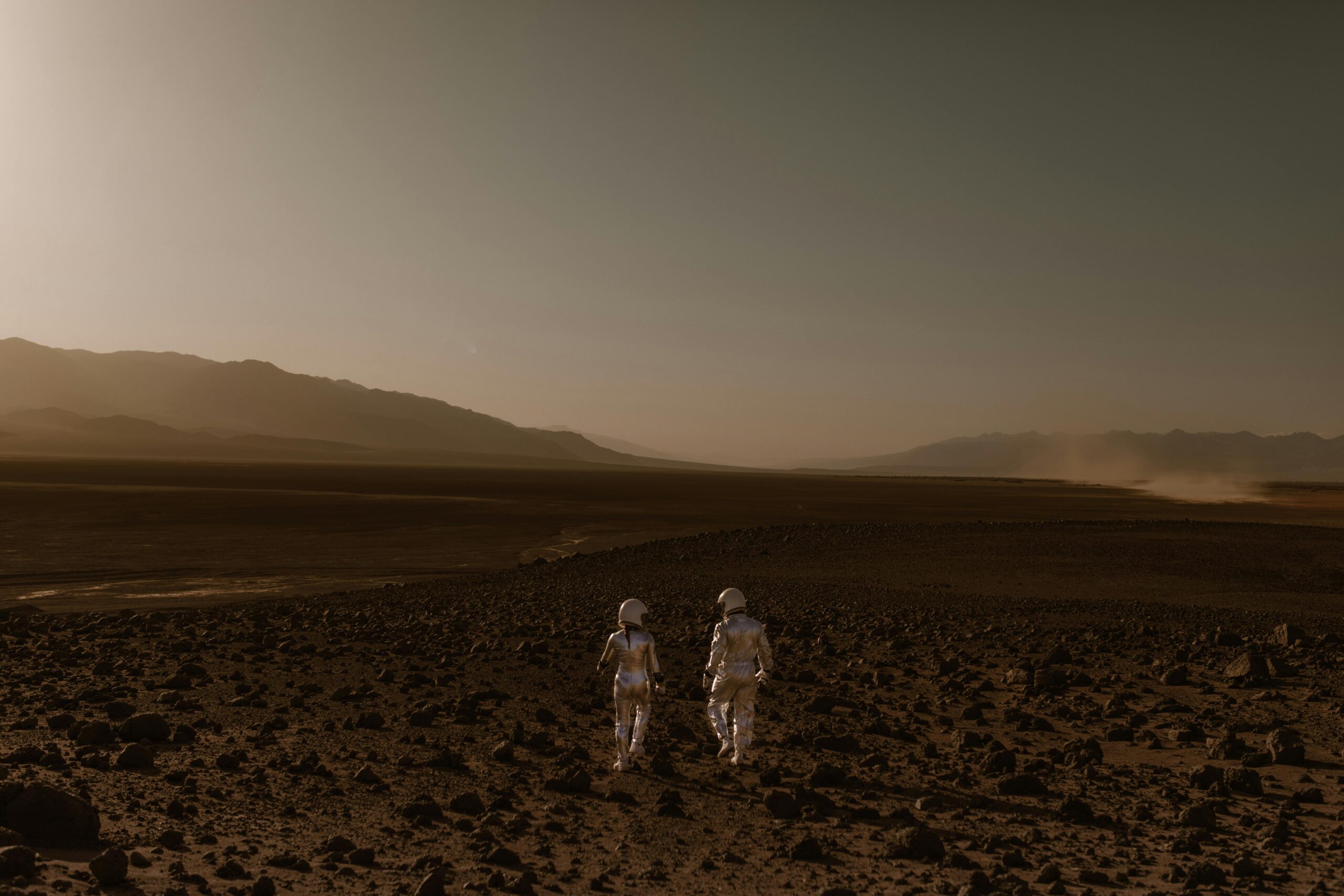
The Path Forward to Transformed Worlds
Mastering terraforming simulation represents a crucial stepping stone toward humanity’s multi-planetary future. These powerful tools allow us to experiment safely, learn from virtual mistakes, and develop robust strategies for one of civilization’s greatest undertakings.
As computational capabilities advance and planetary data accumulates, simulation models will achieve accuracies that enable confident decision-making about irreversible planetary modifications. The digital worlds we create today in supercomputers light the path toward physical worlds our descendants will inhabit tomorrow.
The journey from simulation to reality will span generations, but each advancement in modeling technology brings that extraordinary future closer. Through continued research, international collaboration, and public engagement, we develop the knowledge and tools necessary to responsibly transform barren worlds into thriving homes for humanity among the stars. 🌌